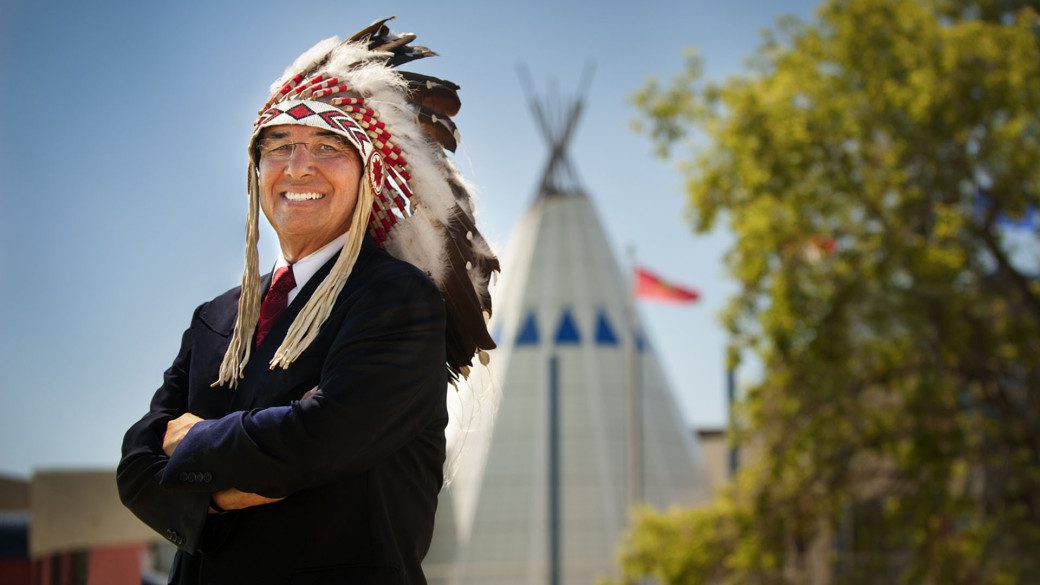

Wilton Littlechild has been a model of leadership throughout his remarkable career. He is a lawyer, politician, and outstanding athlete. He has worked tirelessly to advance human rights, particularly the rights of Indigenous Peoples, according to edmonton-yes.
Childhood and Youth
Wilton was born on April 1, 1944, on the Ermineskin Reserve in Maskwacis, into a large family with seven sisters and four brothers. He was raised by his grandparents, who lived not far from Edmonton, and he credits them with shaping his life philosophy. His grandfather taught him about culture and tradition, while his grandmother encouraged him to pursue formal education.
At the age of six, Wilton was sent to a residential school, where he stayed until he was 14. During his time there, he faced numerous challenges and unpleasant experiences. Nonetheless, by staying positive, focusing on sports, and never giving up, he overcame every obstacle. Guided by his grandparents’ advice, he realized that athletics and education were the path to great success. Embracing this mindset helped him become not only a good student, but eventually a successful entrepreneur.
Sports paved Wilton’s way out of residential school and led him to the University of Alberta. It also laid the foundation for his future relationship with Helen, whom he met in 1967. Their first date was at a football game: Wilton on the field, Helen in the stands.
Sports Career
In 1967, Littlechild graduated with a Bachelor of Physical Education, followed by a Master’s degree in 1975. He played on and managed hockey, swimming, and basketball teams. Before long, his passion for sports nudged him toward the field of law. While skiing one day, he broke his leg— an injury that healed poorly and prevented him from playing sports for a long time. Determined to stay involved, Wilton decided to coach junior hockey, so he could remain connected to the game and contribute to his community.
He founded the first Indigenous junior hockey team in Alberta, making continued education a requirement for team members. Impressed by his leadership, NHL managers and officials soon offered him a position at a professional hockey academy, and he accepted. Upon starting there, Wilton noticed that almost everyone in the program was a lawyer. Realizing he did not want to abandon sports entirely and was eager to pursue a legal career, he decided to enroll in law school.
A Successful Lawyer
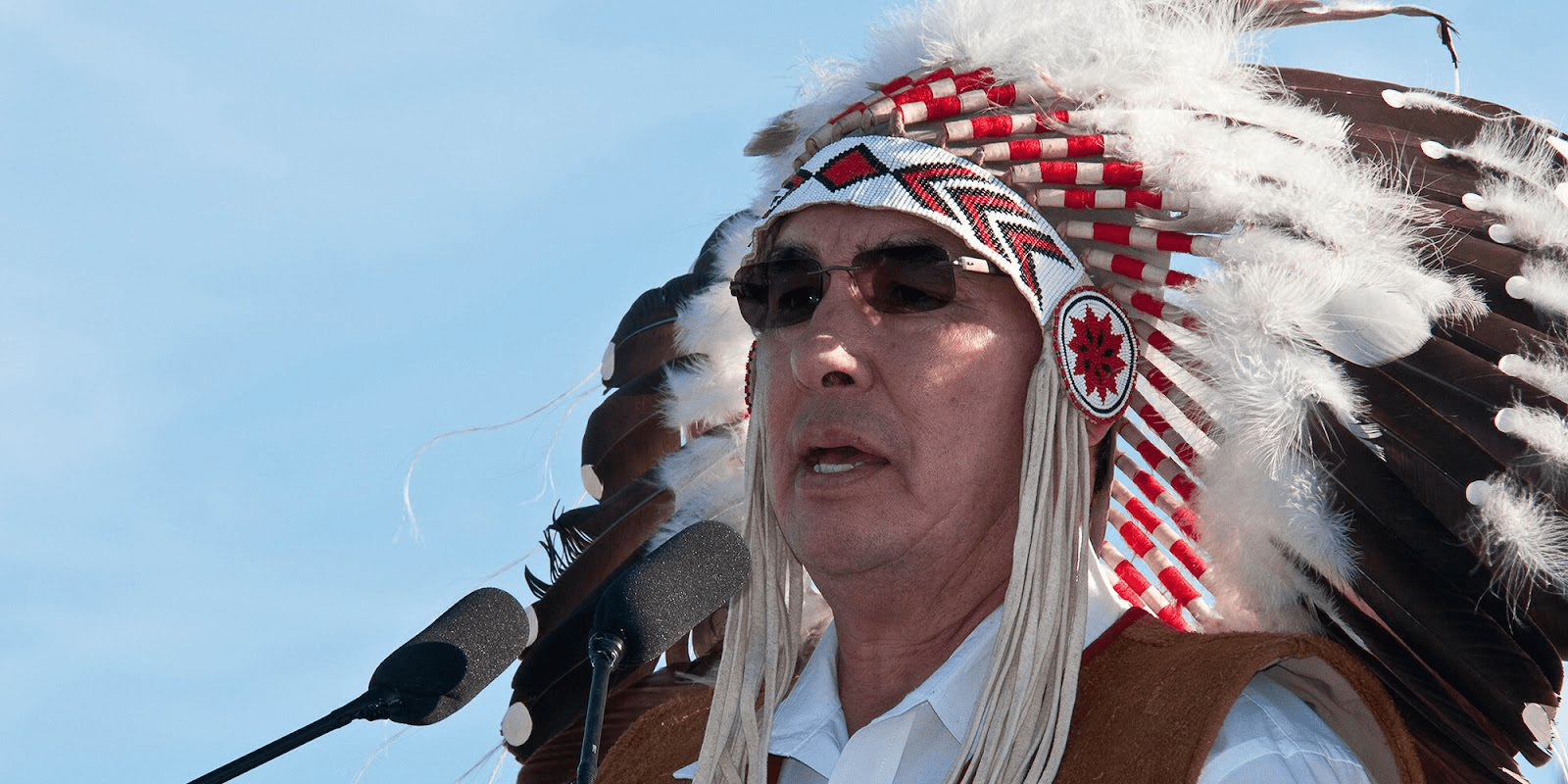
Finding out that, at the time, only five Indigenous students in Canada were pursuing law— with just three actually practicing— Wilton saw both a need and an opportunity to build a thriving career in global Indigenous law. In 1976, he became the first Indigenous person from Alberta to receive a law degree from the University of Alberta. From that moment on, the Cree community honored him, naming him Chief and giving him the Cree name Mahihgan Pimoteyw, which translates to “Walking Wolf.”
In 1977, Littlechild began his law practice on the Ermineskin Reserve. His deep commitment to the Maskwacis community was directly inspired by his grandfather’s guidance. It wasn’t long before Wilton realized he wanted to improve the community and leave a legacy for future generations. Over the course of his legal career, he traveled extensively and became known as a trailblazer in the Indigenous rights movement. For more than 30 years, he has worked closely with the United Nations, advocating for the rights of Indigenous Peoples around the globe. Drawing on his expertise in international law, Wilton spoke at the UN on behalf of his Elders to expose treaty violations between Indigenous Peoples and the Crown. This led him to travel to London, England, to postpone the patriation of Canada’s Constitution until those treaties were acknowledged.
Wilton believes the UN is an important mechanism for advancing peace and respect, and he has dedicated himself to promoting economic, social, cultural, civil, and spiritual rights there. His international involvement spans the UN Human Rights Council, global conferences and seminars, and service as a representative of the International Organization of Indigenous Resource Development. He is also a co-founder of the Indigenous Peoples’ Initiative for Peace, chair of the Denver Text for the Organization of American States Declaration on the Rights of Indigenous Peoples, and a member of the Parliament of the Indigenous Peoples of the Americas.
Political Work
In Canada, Wilton became the first Indigenous Member of Parliament representing the Progressive Conservative Party. He served for five years, from 1988 to 1993, representing the riding of Wetaskiwin in Alberta and acting as a parliamentary delegate to the UN. By the time he ran for Parliament, his name was already well known due to his sports achievements, but he worked tirelessly, going door to door and using humour in debates to secure as many votes as possible in his constituency.
Later, in Saskatchewan, he led a commission investigating and making recommendations on the treatment of First Nations and Métis by the police and the justice system. The 2004 report contained more than 100 recommendations aimed at tackling systemic racism against Indigenous Peoples. Though his family sometimes suffered from his packed schedule, he found it an honour to make decisions on Canada’s behalf.
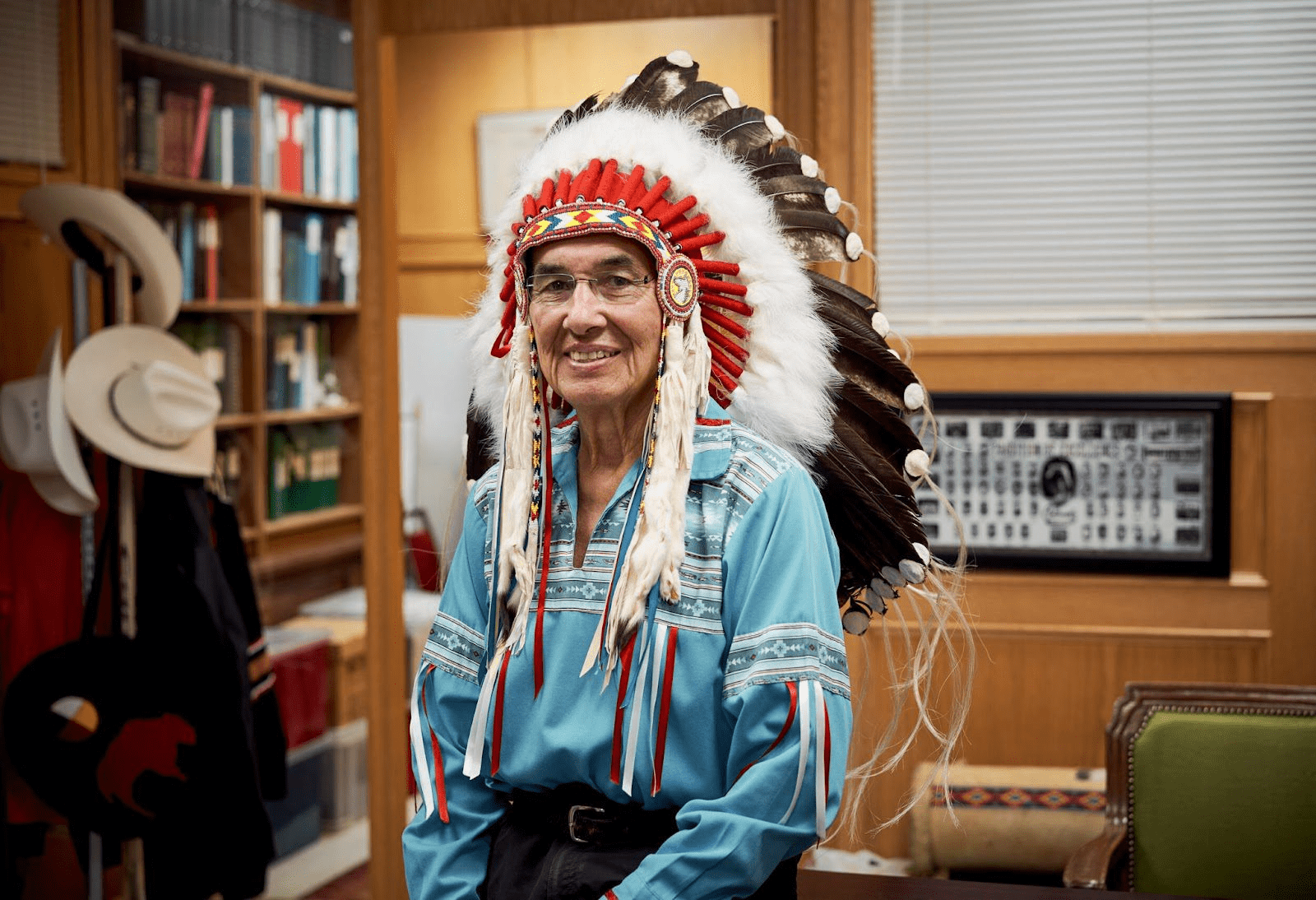
Despite the challenges, Wilton became a member of the Truth and Reconciliation Commission of Canada and joined several boards. He continued focusing on education as well as the physical and mental health of young people, especially within his own community. He later became an instructor at Maskwacîs Cultural College, an initiative that offers post-secondary education within the reserve, recognizing that many students find it hard to relocate outside the reserve to study.
Awards and Honours
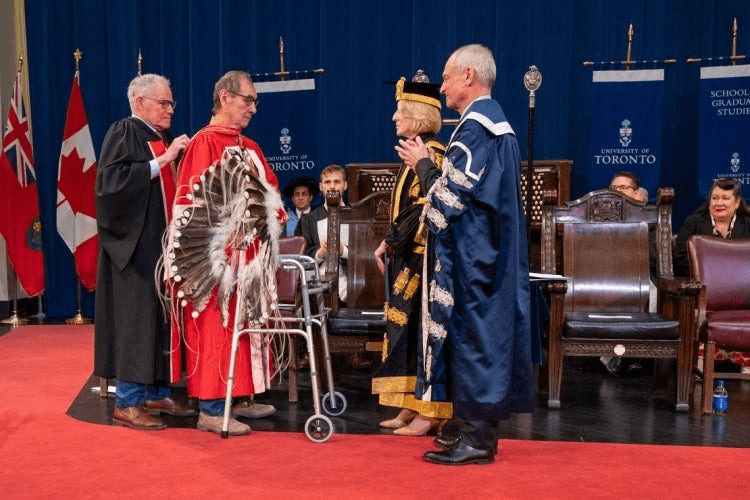
For his achievements in politics and sports, Littlechild has been recognized with numerous awards. He received the titles of Queen’s Counsel and Indigenous Counsel, both among the highest distinctions in the legal profession. He was also named Lawyer of the Year (in the field of Indigenous law) and awarded the Diamond Jubilee Medal in 2012. In 2006, Wilton received a well-deserved honor from the Association of Former Parliamentarians, and in 2007 he was granted an honorary Doctor of Laws degree by the University of Alberta. In 2004, he was named one of the Outstanding Intellectuals of the 21st Century, and in 1999, he was invested as a member of the Order of Canada.
In 2010, Wilton became the first Indigenous torchbearer and ambassador for the Vancouver Winter Olympics. He participated in four Canada 55+ Games, winning three silver medals in swimming at the games held in Sherwood Park. Altogether, he has claimed victory in 70 provincial, regional, national, and international championships, and he has been inducted into seven Sports Halls of Fame. Littlechild continues to promote physical activity and a healthy lifestyle among youth, demonstrated through his work as the founder of INSPOL (Indian Sports Olympics).
His life motto reminds us that winners never run away, and those who quit halfway never triumph.
Sources:
- https://www.ictinc.ca/blog/honourary-chief-wilton-littlechild
- https://sttpcanada.ctf-fce.ca/lessons/wilton-littlechild/bio/
- https://www.utoronto.ca/news/lifelong-advocate-indigenous-peoples-wilton-littlechild-receives-u-t-honorary-degree
- https://www.thecanadianencyclopedia.ca/en/article/wilton-littlechild