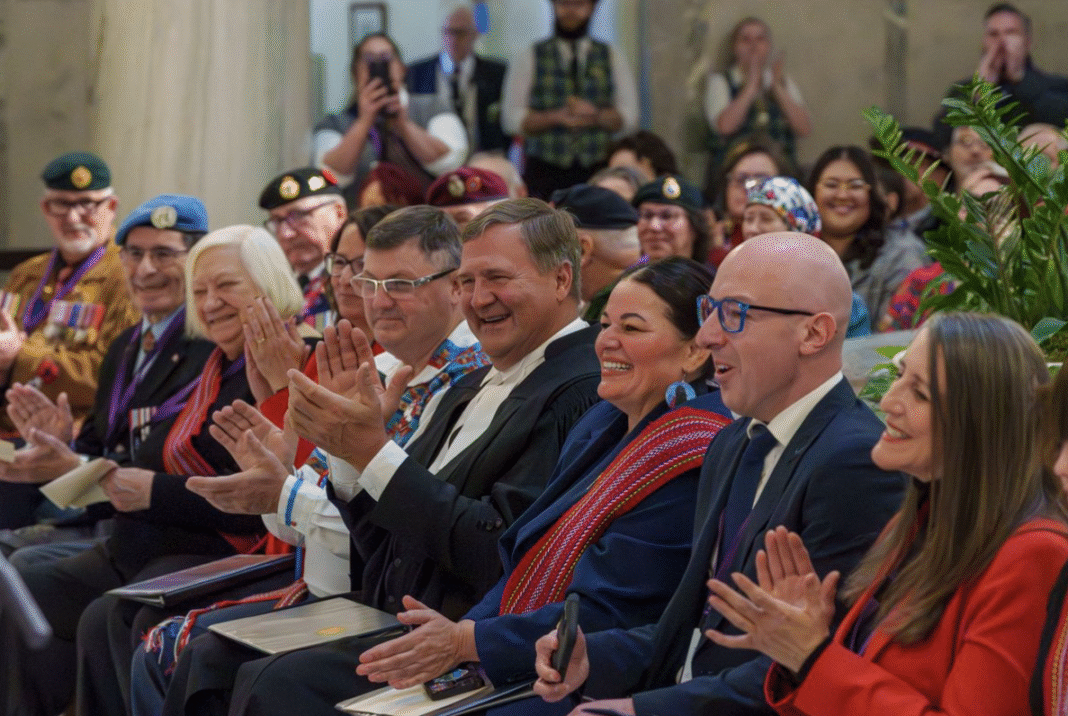

Edmonton’s history spans 37 mayors, each leaving a distinct and often significant mark on the city. In this feature from edmonton-yes.com, we highlight some of the most memorable mayors and their lasting achievements.
William Hawrelak
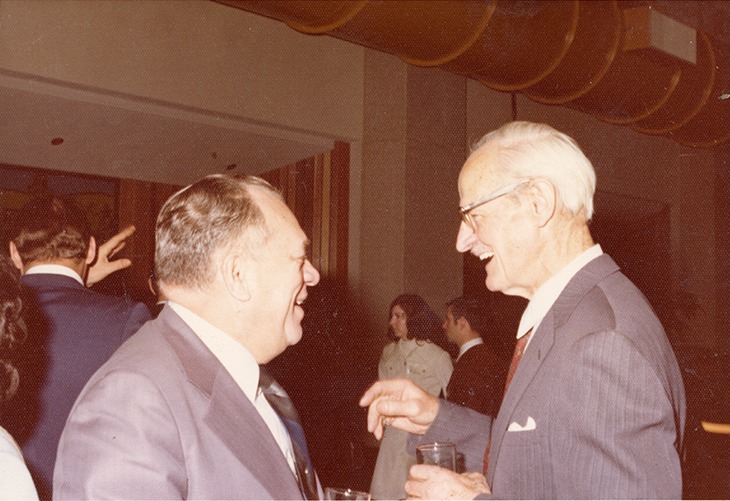
William Hawrelak, a Canadian of Ukrainian descent, remains one of the most influential yet controversial figures in Edmonton’s history. He led the city for four separate terms between 1951 and 1975. His tenure coincided with an explosive period of growth fueled by Alberta’s oil boom. Under his leadership, Edmonton saw the construction of new bridges, roadways, hospitals, and other public facilities.
Crucially, Hawrelak championed the development of parks in the North Saskatchewan River Valley. He initiated the creation of large recreational areas, including Mayfair Park, which was later renamed in his honour in 1982. Despite his achievements, Hawrelak’s career was marred by allegations of conflicts of interest and the misuse of his office for financial gain. In 1959, he was found guilty of gross misconduct for orchestrating six land deals, leading to his resignation amidst the scandal. Regardless, he managed to regain the public’s trust and was re-elected mayor twice more.
Amarjeet Sohi
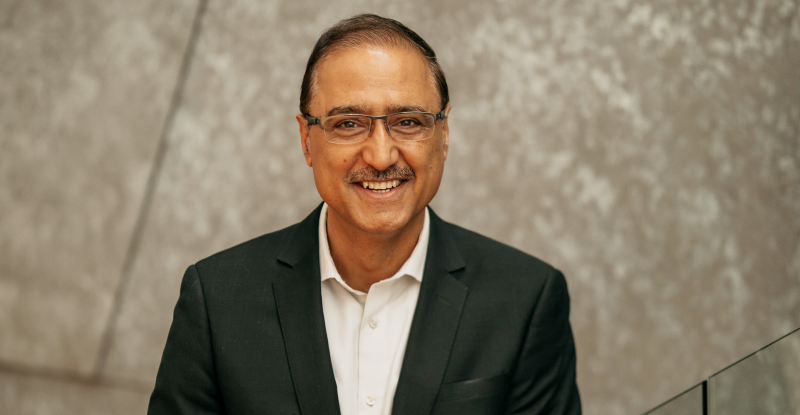
Amarjeet Sohi served as the Mayor of Edmonton from October 2021 to October 2025. He is remembered by residents as the city’s first mayor of South Asian descent and a leader who focused intensely on inclusivity, affordable housing, and social equity. Sohi tirelessly worked to combat systemic racism and discrimination, and strove to build better relationships with Indigenous Peoples. He and his team developed an action plan to fight anti-Black racism.
The mayor’s administration achieved success in the realm of affordable housing, establishing a new zoning strategy and designating land for development. This move resulted in a 32% increase in the supply of non-market housing. Sohi also prioritized improving public safety and expanded the police force. Furthermore, he successfully increased the number of 24/7 shelter spaces for the homeless from 700 to 1,700.
The former mayor was proud that his team managed to eliminate the $88 million structural budget deficit—a hangover from the pandemic—and successfully boost the city’s credit rating.
Janice Reimer
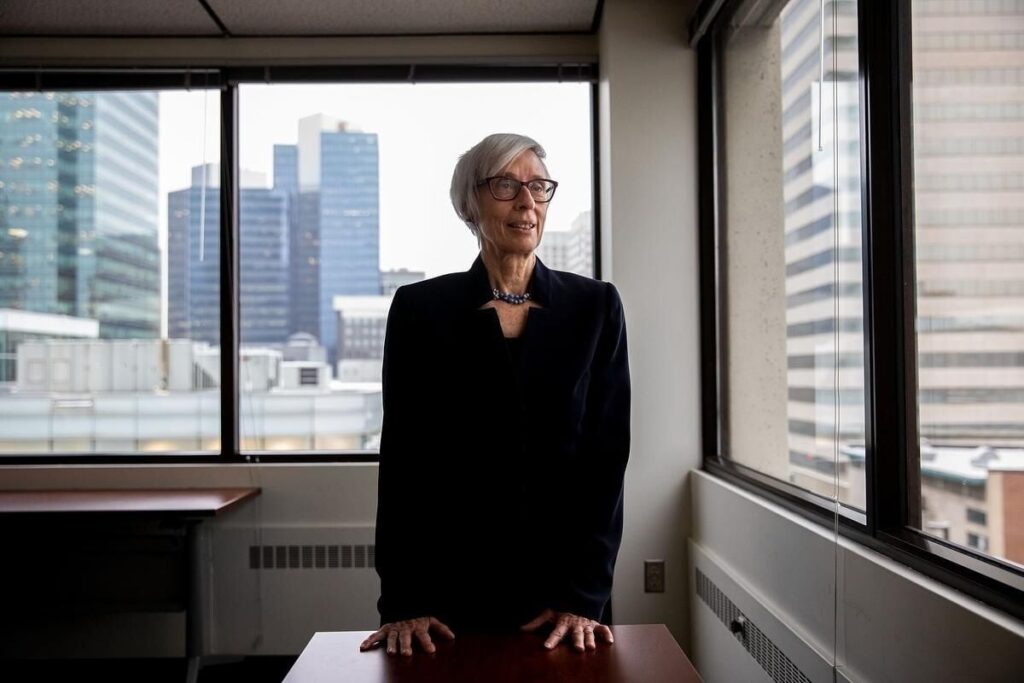
Janice Reimer became the first, and so far only, female mayor in Edmonton’s history, serving from 1989 to 1995. Reimer championed a new waste management system, which included launching the city’s curbside recycling program. She also passionately advocated for the protection and preservation of the North Saskatchewan River Valley’s natural areas, helping to improve the river’s water quality and expand the network of walking and cycling trails along its banks. Janice Reimer was notably the first mayor to officially proclaim Pride Day in Edmonton.
Don Iveson
Don Iveson held the office of Mayor of Edmonton from 2013 to 2021. He is remembered as a modern and progressive leader who focused on long-term planning, sustainable development, and tackling various social issues. Iveson guided the development of the city’s Energy Transition Strategy, aimed at achieving net-zero greenhouse gas emissions. Along with his team, he also spearheaded the City Plan, designed to prepare Edmonton for a population increase to two million people by 2040. Significantly, Edmonton was repeatedly named the most open city in Canada during Iveson’s tenure, thanks to initiatives focused on open data and government transparency.
Matthew McCauley
Matthew McCauley made history as Edmonton’s first mayor, serving from 1892 to 1895. He was the driving force behind the creation of the first public school in Edmonton and was a founding member of the Edmonton Board of Trade (now the Chamber of Commerce). During his time leading the city, McCauley played a key role in establishing various civic institutions. Many credit McCauley with laying the groundwork for civic infrastructure and education in the young city of Edmonton.
Joseph Clarke
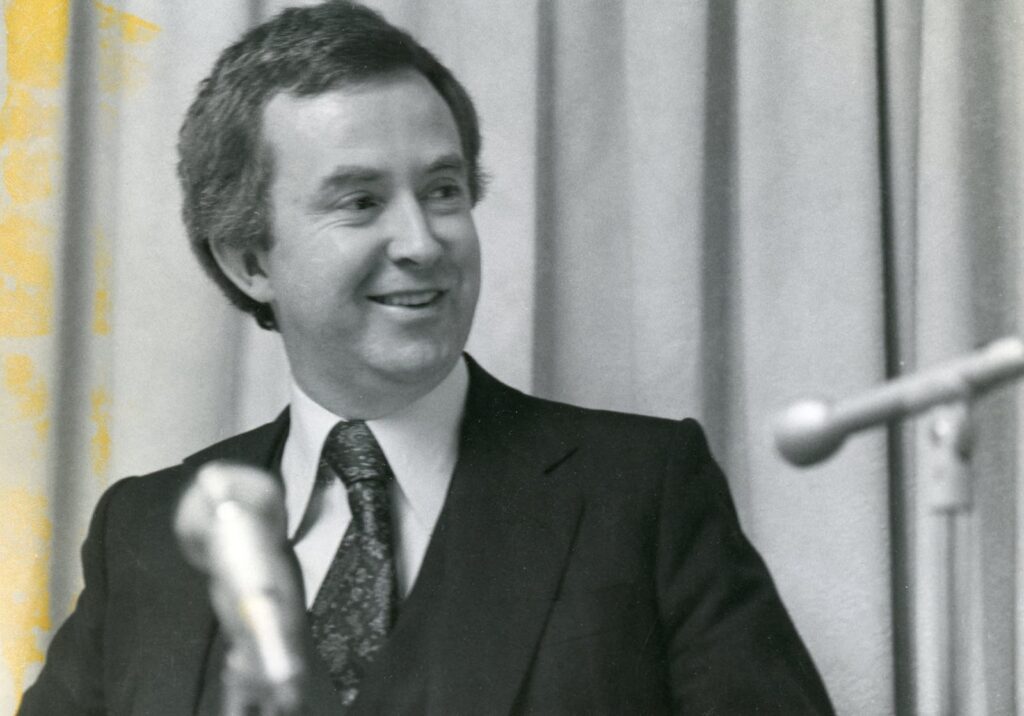
Joseph Clarke is remembered by Edmontonians as one of the most colourful and controversial figures in the city’s political history. He served as mayor twice (1919-1920 and 1934-1937). Clarke consistently championed the interests of the working class and immigrants, which made him popular among ordinary residents. He earned the nickname “Fighting Joe” due to his fierce temper and willingness to stand up for his beliefs. His career was marked by frequent conflicts and even physical altercations. During his time as mayor, Joseph secured land for the construction of sports facilities in Edmonton, making a significant contribution to the city’s sports infrastructure.
Laurence Decore
Laurence Decore served as the Mayor of Edmonton from 1983 to 1988. He established a reputation as a strong and decisive leader who successfully undertook a major restructuring of the municipal government and fought for fiscal responsibility. As mayor, Decore focused on eliminating inefficiencies in city administration and implementing a financial program aimed at clearing the city’s debt. He also managed to abolish the Board of Commissioners, a bureaucratic body that held considerable power. Laurence took important steps to boost the economic vitality and kickstart the revitalization of downtown Edmonton. After concluding his political career, Decore moved into provincial politics and became the leader of the Alberta Liberal Party.
Stephen Mandel
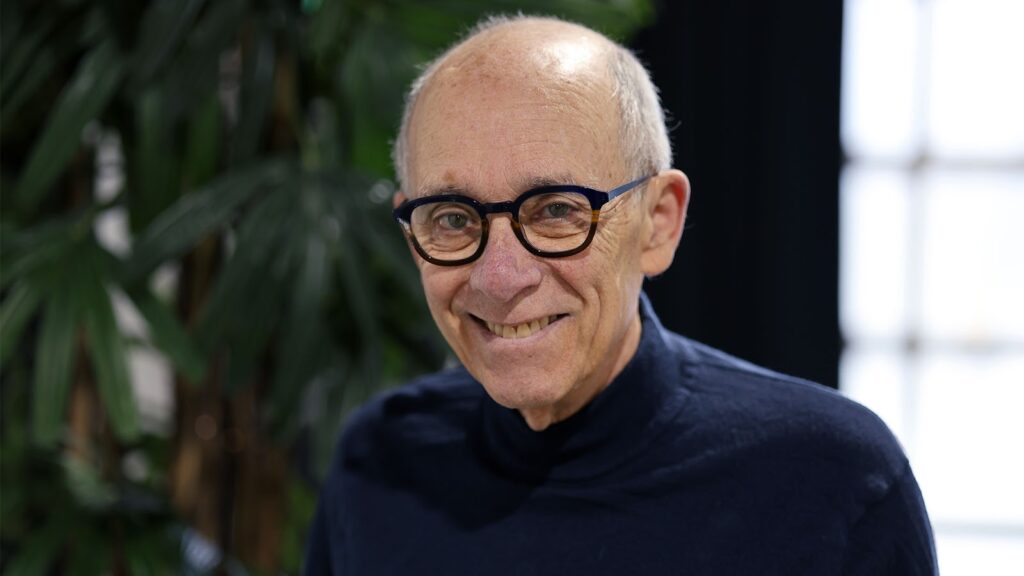
Stephen Mandel served as Mayor of Edmonton from 2004 to 2013. He is remembered as a pragmatic businessman and politician who restored ambition to the city and initiated a massive infrastructure boom. Under his leadership, a large number of infrastructure projects were approved and completed, including road upgrades, and the construction of new libraries and recreation centres. Mandel played a key role in attracting billions of dollars in investment to downtown Edmonton. During his tenure, the city implemented one of Canada’s most comprehensive waste management systems, featuring innovative technologies that were later exported to other cities globally. Mandel also succeeded in uniting 25 municipalities in the Capital Region under the first joint growth management plan.
Terry Cavanagh
Terry Cavanagh served two separate terms as Mayor of Edmonton (1975-1977 and 1988-1989). Cavanagh saved the historic Macdonald Hotel by designating it a municipal historic resource in 1985. He was also a staunch advocate for developing the North Saskatchewan River Valley as a parkland, which contributed to the preservation of this natural area for the city. Although Cavanagh actively promoted radical reforms, he remained a well-respected and beloved figure by the city’s residents.
Cecil Purves
Cecil Purves served as Mayor of Edmonton from 1977 to 1983. Under his leadership, the city achieved significant success in infrastructure development, sports, and financial stability. Purves spearheaded Edmonton’s bid to host the 1978 Commonwealth Games and championed the construction of the Convention Centre (now the Edmonton Convention Centre), which was completed in 1983. Cecil was also a strong proponent for building new major roadways across the city.