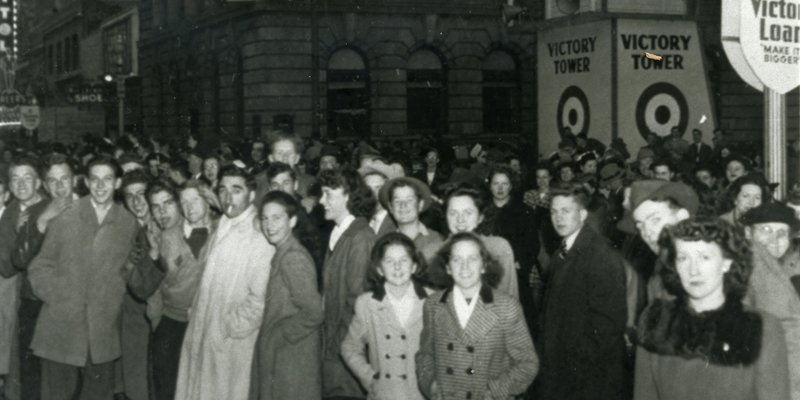

During the Second World War, many people in Edmonton were ready to lend a helping hand to those who needed it most. Despite limited resources, local residents came together and did everything they could. Edmonton’s women played a particularly special role in this. In this article, we’ll explore how the city united to support those fighting for humanity’s freedom. For more stories, check out edmonton-yes.com.
Women on the Home Front
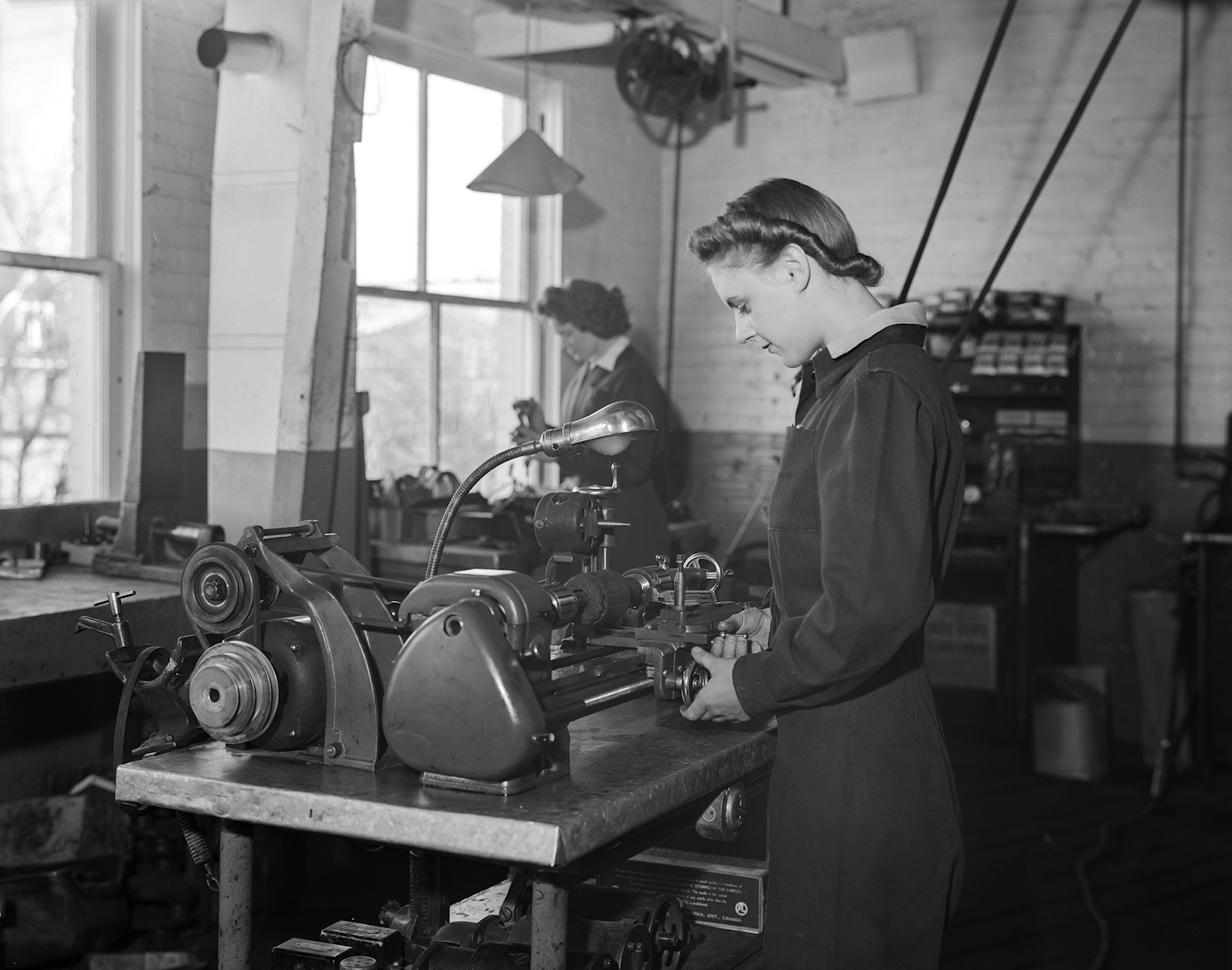
By 1943, Edmonton’s population had swelled to 130,000 people, partly due to an influx of temporary migrants. While the population grew, the economy was under pressure. With a significant number of men away at war, women were strongly encouraged to join the workforce. They worked tirelessly, often juggling jobs with voluntary war efforts, raising children, and dealing with resource shortages.
The Canadian Food Conservation Program was launched to meet the needs of Canadian and Allied soldiers. Civilians were asked to get by on less food so that soldiers had the strength to fight. Women across the country were quick to join this initiative from the very beginning.
They sent care packages to their husbands serving overseas, filled with baked goods, toiletries, and knitted clothing. At the same time, they were working in factories and plants. In 1943, Edmonton had 200 manufacturing plants employing 6,000 men and women, with a combined payroll of over $7.5 million. At Dominion Motors Ltd., 200 Edmonton women enrolled in the company’s first-ever mechanics course before starting jobs in the field.
The busiest wartime factory in Edmonton was the Great West Garment Company, which produced 6.5 million pieces of military clothing over five years. It became the largest garment company in the British Empire, and a staggering 87% of its workers were women.
Women also joined the military in droves. Unable to fight abroad, they typically performed support and administrative tasks within Canada. However, the most skilled were eventually sent overseas. The first to enlist were women in the Royal Canadian Army Medical Corps. Most of the women who went to the front lines were nurses.
Edmonton philanthropist Gertrude Poole opened her home to 40 women who dedicated their time to sewing and knitting for the Red Cross.
While the percentage of women in Canada’s paid workforce dropped from 33.5% in 1945 to 25.3% by 1946, and many returned to their roles as homemakers after the war, their efforts are still remembered and celebrated today.
The Red Cross and Community Support
The Alberta Red Cross grew from 47 branches in 1939 to an impressive 325. The first Red Cross campaign in Edmonton alone raised $80,000. During the Second World War, the Canadian Red Cross was a powerhouse of community effort: Canadians donated millions of dollars and countless volunteer hours, collected medical supplies, and packed food parcels for prisoners of war.
Another key part of their work, in collaboration with local hospitals, was collecting blood. Massive blood drives were organized to save the lives of the wounded at the front.
The Red Cross also offered courses for city residents so they could assist the wounded in case of emergencies. The organization’s work was entirely dependent on the efforts of local citizens, who invested their time, skills, and resources to support the war effort.
Service Clubs and Community Spirit
Edmonton also had several large service clubs, which were essentially charitable organizations. The Kiwanis Club built a home for children, the Gyro Club constructed numerous playgrounds, the Lions Club built cottages for seniors, and the Kinsmen created a milk fund for the British.
These clubs also organized drives for food and warm clothing for soldiers and refugees, held charity fairs and concerts, and supported military families.
The Second World War was a difficult time for all citizens. Despite resource shortages and daily challenges, the people of Edmonton showed incredible strength, unity, sacrifice, and ingenuity, truly embodying the spirit of the city. You can discover more about the city’s unique history and character on this page.