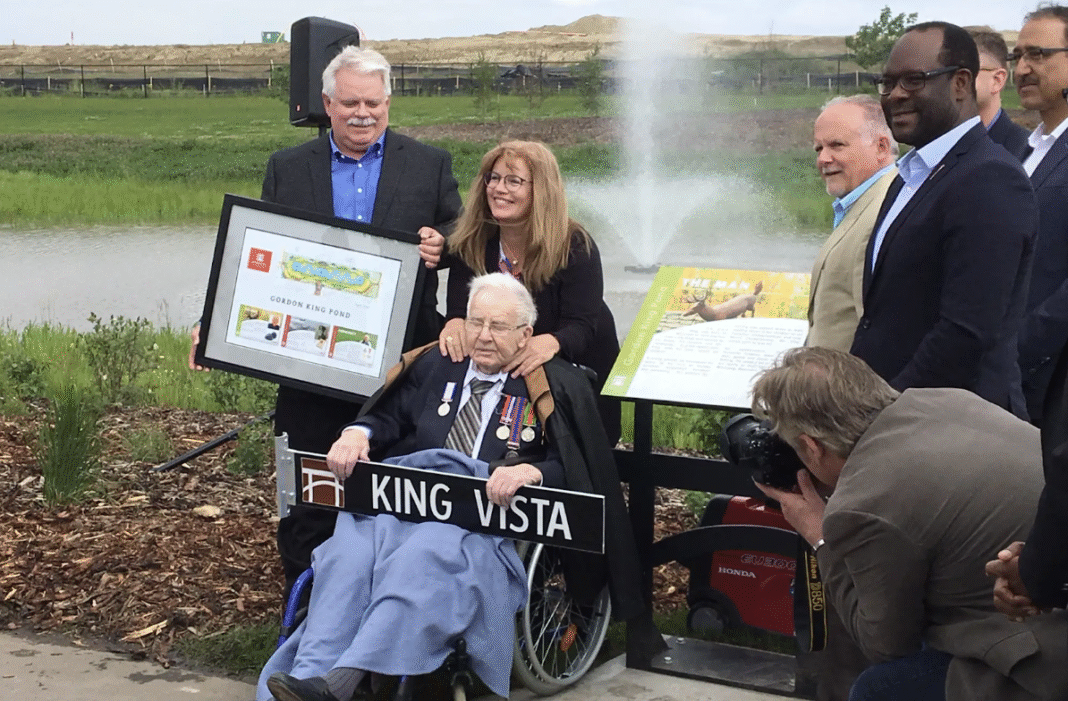

Gord King, a decorated Second World War veteran, had a story unlike any other. A pilot who was shot down and captured, he attempted a daring escape that, though unsuccessful, ultimately saved his life. After the war, he dedicated himself to honouring the memory and well-being of his fellow veterans. In recognition of his enduring legacy, a street in Edmonton was named in his honour, serving as a powerful reminder of the importance of remembering and respecting those who fought for freedom. In this article on edmonton-yes.com, we delve into the life and military achievements of Gord King.
Gord King’s Life Story
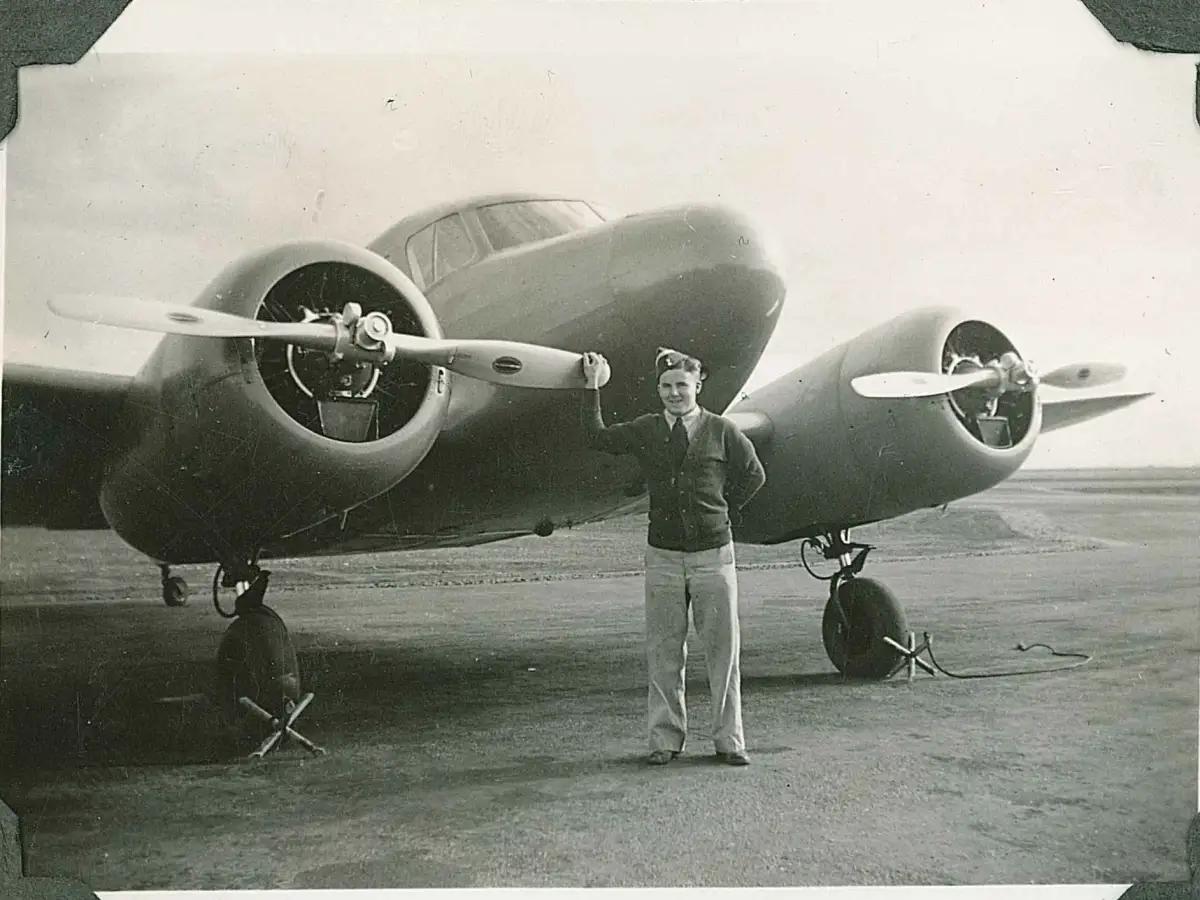
Gord King was born in Winnipeg in 1920. In his youth, he was a talented hockey player and was considered one of Winnipeg’s best goaltenders. In September 1940, at just 19 years old, he joined the Royal Canadian Air Force (RCAF).
Already familiar with Morse code, he was initially assigned as a wireless air gunner. He later began pilot training and was quickly sent overseas, where he continued his training and participated in several major operations. Gord King was the 146th Allied pilot to go down in combat.
In May 1942, King was scheduled to fly a bombing run over the German city of Cologne. However, during the raid, his aircraft was shot down by a German night fighter. He bailed out of the burning plane and landed awkwardly in a tree, knocking him unconscious. He awoke surrounded by German farmers who took him to a prisoner-of-war (POW) camp.
King spent three years in the camp. During his imprisonment, he joined a group of men who were digging tunnels to escape. The prisoners secretly dug three tunnels at once, ensuring they always had a backup plan. The first tunnel Gord helped dig was discovered when a horse-drawn cart collapsed the ground above it. Despite this setback, the men continued to plan their escape.
In March 1944, the escape plan was finally put into motion. Of the 200 men who planned to break out, only 76 managed to get through the tunnel. Tragically, all of them were eventually recaptured by German soldiers. When Hitler learned of the escape, he ordered 100 of the men to be executed but was advised to shoot 50 of them instead. King was incredibly lucky to not be on that list. He remained in the POW camp until 1945.
After the war, King returned to Winnipeg, where he briefly worked as a clerk before becoming a salesperson for a flooring company. A few years later, he was promoted to Western Regional Manager, a move that brought him, his wife June, and their five children to Edmonton.
The Ex-Prisoner-of-War Association
Gord King moved to Edmonton in 1965 and immediately began connecting with other former POWs. He had already founded the Ex-Prisoner-of-War Association in Winnipeg, and with the help of his friends, he opened an Edmonton chapter. King was elected president of the new chapter.
The Edmonton chapter actively supported the Calgary chapter, which organized an international meeting of POWs from all Commonwealth countries in 1983. King was an exceptional president and was constantly arranging events for association members. He was also deeply committed to the well-being and health of veterans and their families, offering his help and support whenever he could.
Gord King’s Other Pursuits
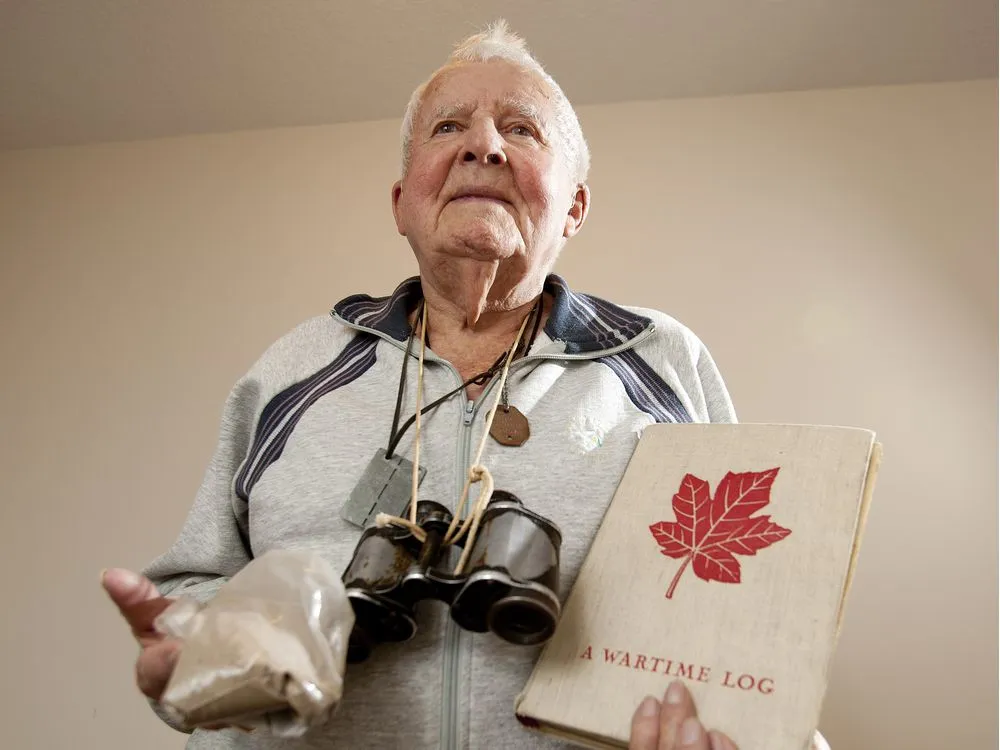
King was also an avid hunter, fisherman, and curler. He was a dedicated father who always supported his children’s hobbies. Three of his children became Canadian curling champions, and in 2013, his daughter even won the World Championship. Gord still resides in an Edmonton retirement home. His wife, June, passed away in 2011 at the age of 64.
Gord King’s story is a powerful example of courage and dedication to his country. It reminds us that heroes live among us, and their contributions to our future are worth preserving for generations to come.