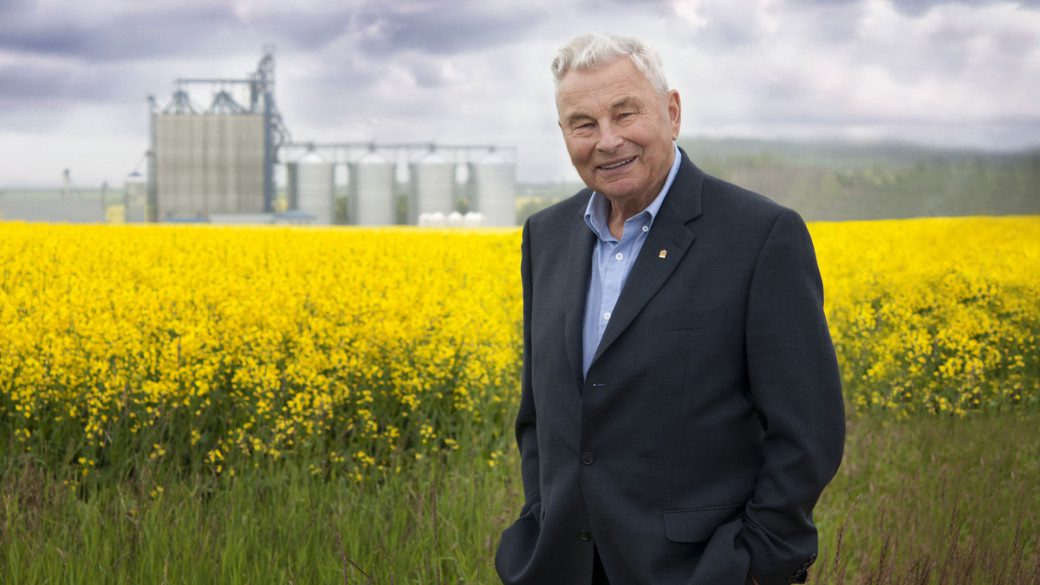

Walter Paszkowski is known not only in Alberta but across Canada. He led a large community with distinction and held prestigious positions. His work focused on improving people’s lives throughout the province. Read on to learn more about Paszkowski’s life and career on edmonton-yes.
Childhood and Youth
The future politician was born on April 23, 1934, on a farm in Sexsmith. In 1929, his parents had moved from Poland to Alberta, escaping the Second World War. They chose Canada because it offered immigrants safety, freedom, and good opportunities. Before long, the Paszkowski family acquired land in western Alberta and started a farm there.
Walter was the youngest of three children. As a boy, he was quiet— unlike many of his peers, he didn’t enjoy playing with others, preferring to spend time on his own. While his sisters Jean and Mary went to school, Walter helped his parents with farm work. The family lived in poverty, barely managing to cover basic expenses. At school, Walter loved reading and often visited the school library. During breaks, he happily played various games with classmates. In high school, the young man became an active member of the Air Cadets’ student council and the Catholic Youth Organization.
Starting a Business, Community Service
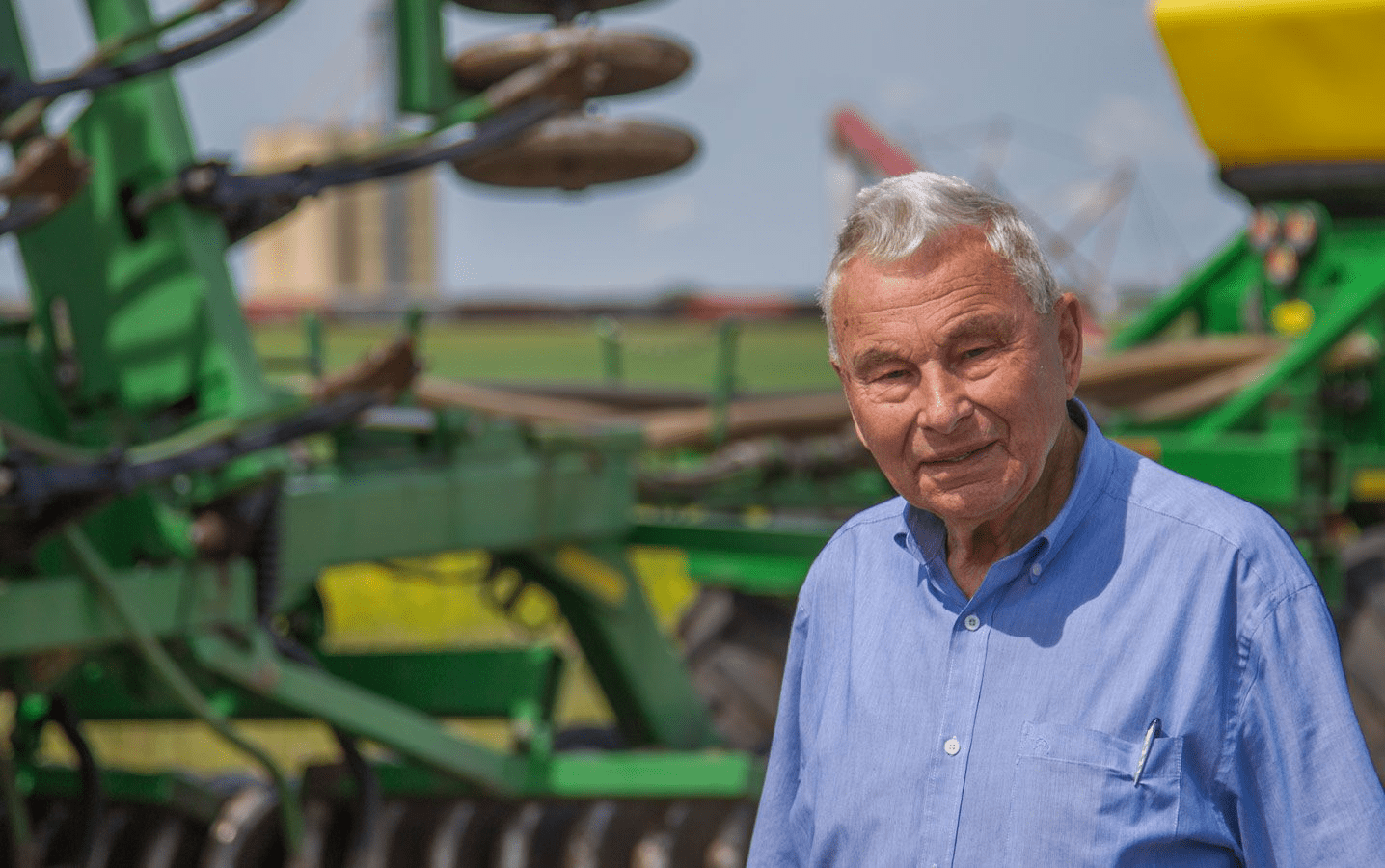
After obtaining his high school diploma, Walter enrolled in the Fairview College agricultural program. In 1952, he graduated with honours and, following his father’s example, took on farming a quarter-section of land that his father provided on the condition that Walter cover all costs himself. Realizing his savings would not be enough, Walter took a risk— only to lose his first crop to a severe hailstorm. Disheartened, he decided to look elsewhere for opportunities and got a job with an oil company doing seismic work. After two years there, he saved enough money to continue farming and expand operations. As a result, farming and outside work became a lifelong pursuit, with Paszkowski always dividing his time between a seed farm and a retail store. At the same time, he spent 12 years as an office manager for the federal Prairie Farm Assistance Act program.
Many of these off-farm responsibilities arose from his interest in new developments in agriculture. For several years, Walter enthusiastically embraced innovation, helping promote canola as an alternative crop. Through his efforts to diversify production and his willingness to adopt new technology, Canadian growers significantly improved both yields and profitability.
Paszkowski was a founding director of a canola processing plant in northern Alberta and worked closely with the Beaverlodge Research Station to develop new pest control methods and disease-resistant canola varieties. He also served as president of Alberta Canola Growers, was a director at Northern Lite Canola Inc., and chaired the Grow with Canola Committee. In 1972, Walter married a wonderful woman named Trudy, whom he loved deeply. Sadly, their happy life together was cut short by her illness, and she passed away in 1994.
A Successful Politician
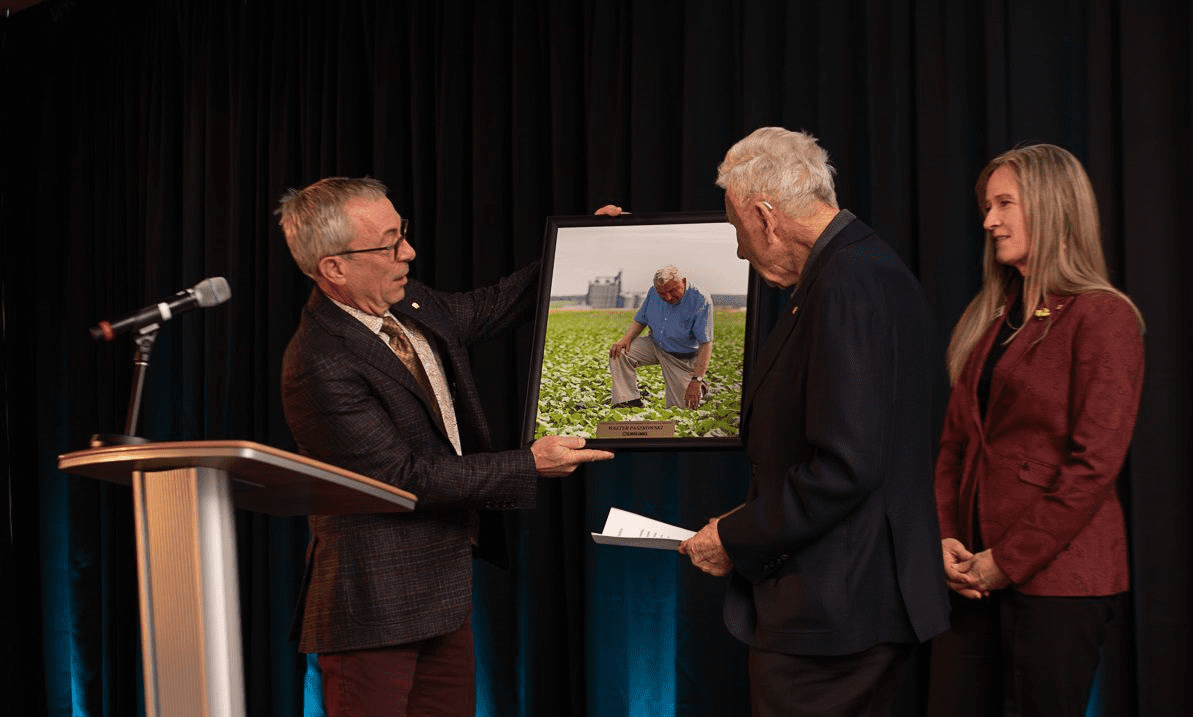
In 1979, Walter began building his political career. Friends and family encouraged him to run for a seat on the Sexsmith town council. He ended up serving on the town council for a total of 11 years, including six years as mayor. During his leadership, he earned a reputation as a compassionate, honest, and straightforward politician who always took into account the needs, concerns, and opinions of his community members.
In 1989, Paszkowski’s political career accelerated. He ran as a Progressive Conservative candidate in the Alberta general election and was elected to the Legislative Assembly, representing Smoky River. Notably, he led by a wide margin and easily defeated his rivals. Paszkowski threw himself into the political arena, while his son Dwain took on the responsibility of running the farm.
In 1993, Walter ran again and was victorious in the newly formed Grande Prairie-Smoky riding. During his second term, he served as Minister of Agriculture, Food and Rural Development, working in the sector he loved most. In the 1997 general election, he won for the third time by a large majority and was appointed Minister of Transportation and Utilities, quickly tackling his new duties. In that role, Walter introduced many successful initiatives, laying the groundwork for what eventually became the North-South trade corridor, unlocking valuable trade and export opportunities for both the province and northern Alberta. In 1999, he took on his final role as Minister of Municipal Affairs. That same year, he married Marlys Moller, and in 2001, he retired from politics for good.
Merits and Achievements
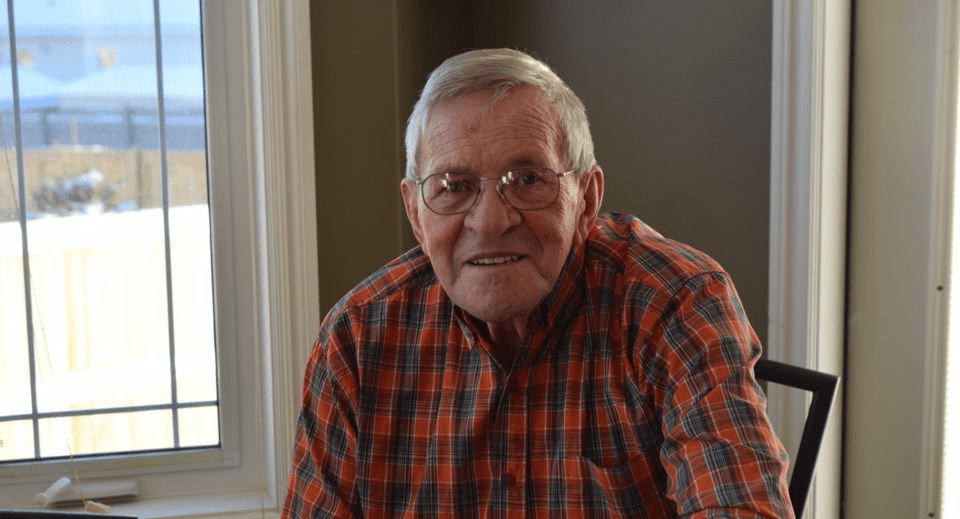
Walter Paszkowski’s many contributions were recognized by an Award of Merit from the Canadian Seed Growers’ Association, as well as honorary certificates and a lifetime membership from the Canola Council of Canada. Fairview College established the Walter Paszkowski Chair in Agricultural Development to honour his support of both the institution and the industry. In 2008, the Polish government presented Walter with the Knight’s Cross of the Order of Merit for his valuable counsel on municipal and agricultural issues.
Beyond agriculture and politics, Walter served as a director of the Prince Rupert Port Authority, chaired the Federal Review Panel on Rail Freight, and was a member of the Alberta Order of Excellence Council. He strongly supported the creation of the Philip J. Currie Dinosaur Museum, which houses dinosaur remains discovered in northwest Alberta, and he has long worked to preserve and share the region’s history— including donating his parents’ historic wooden home to the Sexsmith and District Museum Society. Walter is an active member of his church and a supporter of the Knights of Columbus.
In 2002, he found yet another way to help his home province when he became an economic development officer for the County of Grande Prairie, focusing on economic diversification and improving residents’ quality of life. When asked about his motivation for building a stronger future for local people, Walter said that quality of life depends on opportunity, safety, freedom, and family. He used his freedom as an Albertan and a Canadian to serve his beloved province and country with distinction. The legacy he created will stand as a long-lasting example of excellence. From all of this, we can conclude that discipline, a serious approach to work, and perseverance led Walter to success in both farming and politics.
Sources: