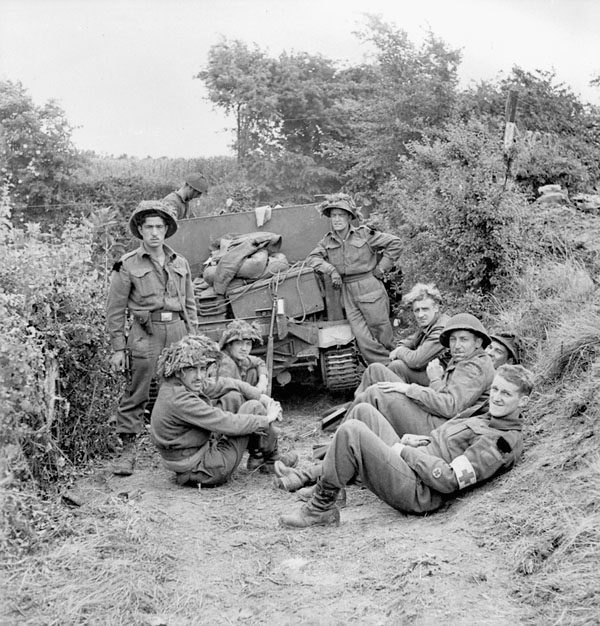

World War II significantly impacted the lives of Edmonton’s residents and the city’s economy. During the war years, Edmonton’s population increased by 25%. In 1939, the city’s population stood at 90,400, and by 1945, it had grown to 111,700. This sharp rise was due to immigration from various countries, as people sought a peaceful, economically stable city. Edmonton created numerous job opportunities and avenues for entrepreneurship during the war. More on edmonton-yes.com.
Edmonton During World War II
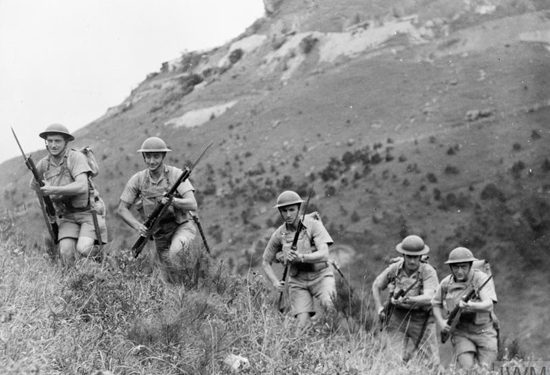
According to Linda Goyet’s book Edmonton In Our Own Words, the army, navy, and air force established recruitment centers in the city. For instance, the Royal Canadian Air Force (RCAF) recruited over 10,000 individuals through its Edmonton office.
During the war, Edmonton became a key hub for the British Commonwealth Air Training Plan (BCATP) and a center for aircraft repairs. Soldiers, pilots, and mechanics from the United States, New Zealand, and Australia were sent to Edmonton.
Edmonton’s City Centre Airport transformed into one of North America’s busiest air hubs. With over 3,000 civilian workers employed, it became one of the city’s largest war-related enterprises.
Many men who joined the war were veterans of World War I and victims of the Great Depression. Most were too old for frontline service, while others failed medical examinations and were discharged. Those who remained in service were assigned non-combat roles, such as guarding public assets.
On December 15, 1940, 500 new recruits from Edmonton’s Loyal Regiment were among the first troops to head to England. About 1,000 people gathered to bid them farewell.
In addition to serving as a recruitment and air training hub for the British Commonwealth Air Training Plan, Edmonton became a key operational base for American forces. Several factors contributed to this: the city had excellent railway connections in various directions, and its location—1,000 kilometers from the Pacific Coast—meant it was safe from potential Japanese attacks. As the largest city in North America’s northern regions, Edmonton boasted significant infrastructure necessary to meet military needs.
Edmonton After the War
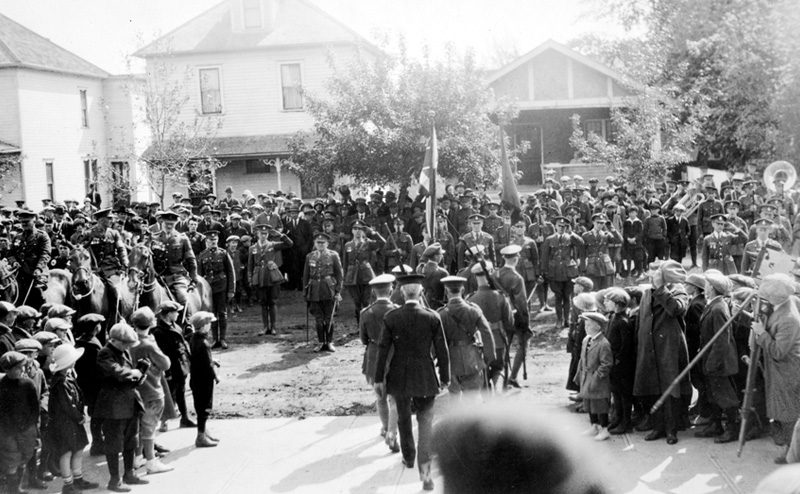
Veterans returning from the war gained access to various support programs, including housing and education initiatives. The city entered a period of rapid development, driven by new technologies, lifestyle changes, and evolving worldviews.
In 1946, agriculture began to recover, and the federal government launched a post-war housing ownership support program. The Canadian Mortgage and Housing Corporation (CMHC) offered easy mortgage loans, laying the foundation for the city’s future expansion. In 1949, Edmonton hired its first professional architect to design new buildings.
By 1950, a second wave of population growth brought the city’s population to 260,000. The discovery of oil in Alberta played a significant role in Edmonton’s economic development, attracting immigrants from around the world.
In 1955, Edmonton built one of the world’s largest shopping centers, Westmount Mall. In 1960, a new technical institute opened to meet businesses’ demand for skilled workers. That same year, the Edmonton International Airport began operations, costing $20 million, and handled commercial flights.
As the years passed, Edmonton expanded further. Suburban areas were developed, and people began buying or building small homes in these new neighborhoods.