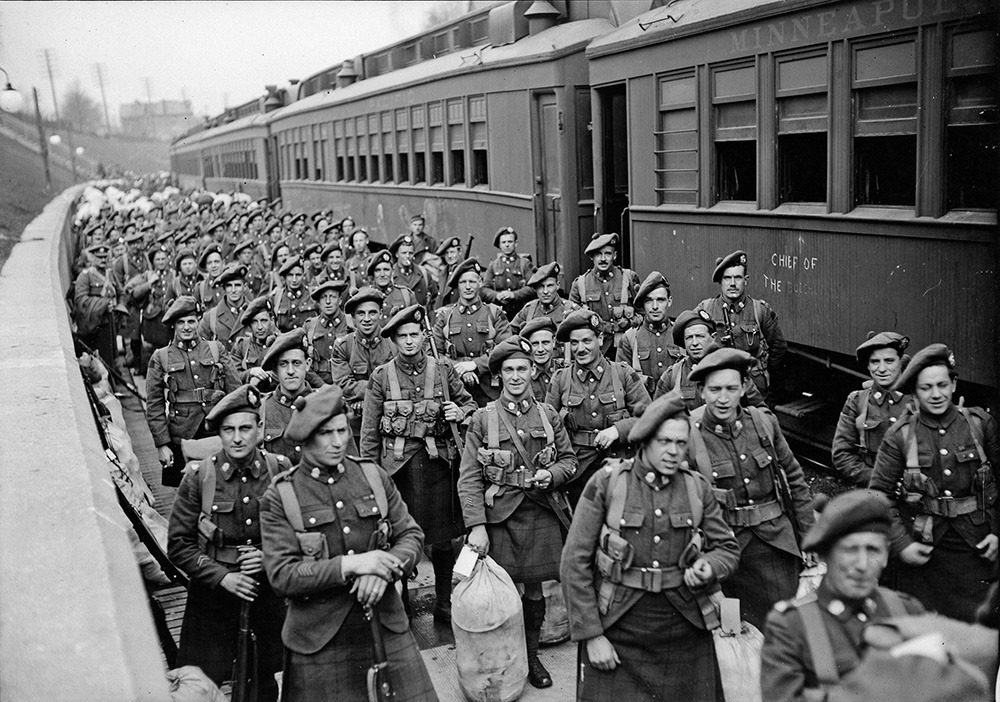

On August 4, 1914, Great Britain declared war on Germany, pulling Canada into what would later be known as the First World War. Driven by a sense of duty to the Motherland and a thirst for adventure, many men enlisted in the armed forces.
Initially, people hoped the war would be short-lived. No one anticipated it would last four years and claim millions of lives. By 1914, over 14,000 men from Edmonton had enlisted for overseas service. Thousands were killed in action, while others succumbed to wounds sustained on the battlefield. Learn more on edmonton-yes.
Challenges Faced by Civilians
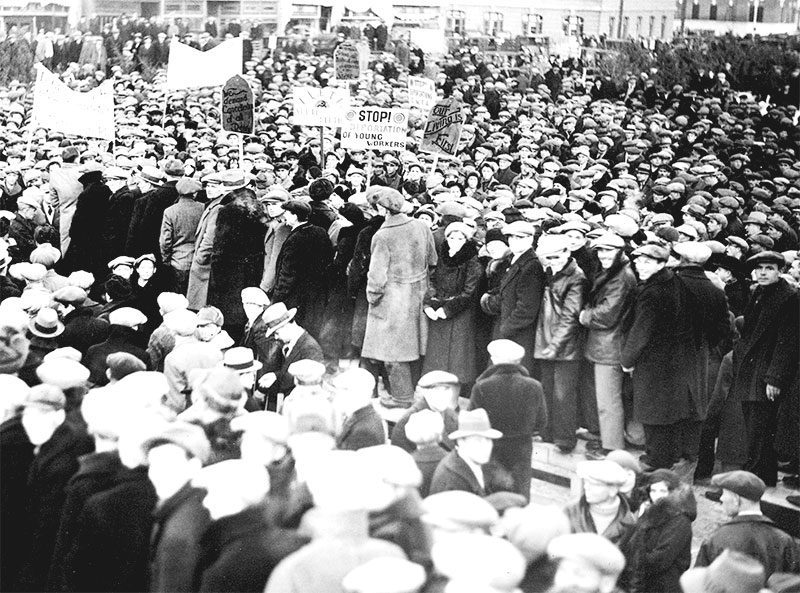
During World War I, government regulation intensified in many areas. As the war continued, inflation and shortages of goods severely impacted factory workers and ordinary families in Edmonton.
Many fixed-income earners, including elderly individuals and soldiers’ wives, struggled to provide for their families. To prevent economic collapse and improve living conditions, the government introduced rationing. This ensured the fair distribution of scarce resources. Measures such as censorship, curfews, and restrictions on alcohol consumption were also implemented.
Additionally, the government imposed income taxes on business owners. To ensure compliance with these measures, propaganda was employed, leveraging patriotic fervor.
Workers who enlisted in the army were initially allowed to take unpaid leave, during which their employers provided their wives with half their wages. Unfortunately, by the second year of the war, Edmonton authorities announced they could no longer sustain this initiative.
In 1916, wives of city employees could apply for financial assistance in dire circumstances, with their cases reviewed by a financial committee.
Support for Edmontonians from Authorities
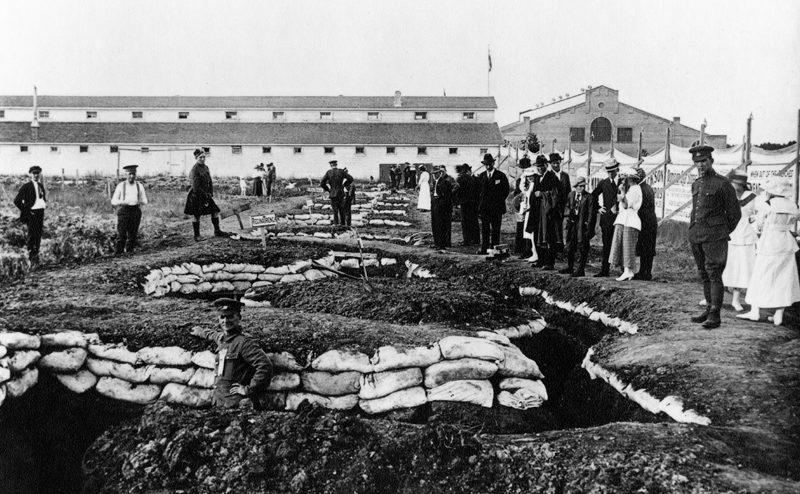
Edmonton’s city government frequently received and fulfilled requests to support charitable organizations that significantly contributed to assisting soldiers and civilians. Authorities introduced several initiatives, such as providing free training spaces for soldiers, complimentary streetcar transportation for servicemen, and guarantees for utility payments for the Red Cross.
Fundraising events were regularly organized to support the army and the civilian population. Notable efforts included Victory Bonds, Red Cross tag days, and the Canadian Patriotic Fund. These initiatives helped arrange picnics for soldiers’ children and support families left without a breadwinner due to the war.
The Hidden Side of the War
Canada’s unwavering support for Great Britain and its allies also had a darker side. Many male immigrants from Germany, Austria, and Russia who had settled in Edmonton and its surrounding areas were interned for the duration of the war. Alberta was home to four internment camps.
Detainees were forced into hard labor under harsh conditions. Many succumbed to incurable diseases in these camps. Their families also endured great suffering, losing their property and access to food. After the war, the camps were dismantled, and surviving detainees who had emigrated to Canada were deported back to their countries of origin.
Some immigrants, deemed security threats in their countries of origin, were unable to serve in the military. In Edmonton, these men were employed in factories and industrial sectors. They performed strenuous labor for minimal pay. For local authorities and businesses, such workers were advantageous, especially given the labor shortage that emerged at the start of the war.