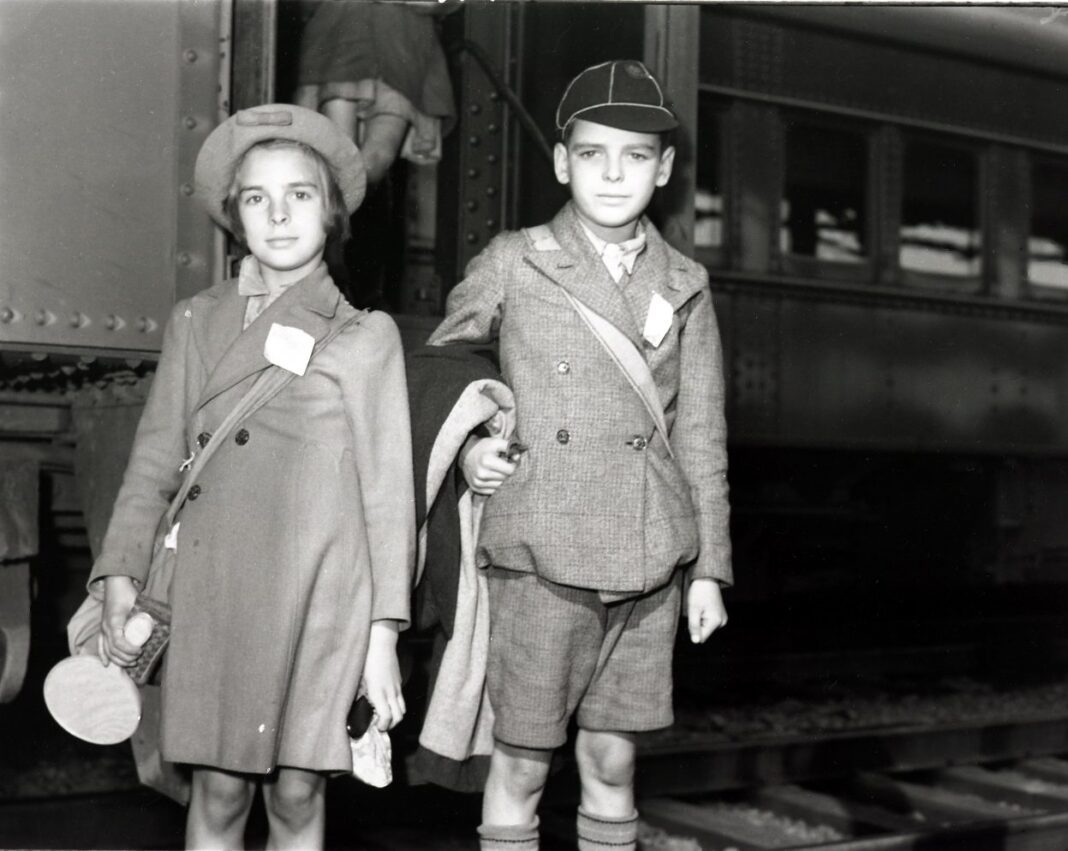

World War II permanently changed Canada, and among the most affected were children. On September 1, 1939, the invasion of Poland by Nazi Germany marked the beginning of the war, announced over the radio.
The six-year conflict altered not only Edmonton but the entire world. The Canadian nation, which had a population of 11 million at the war’s outset, lost over a million men and women who left for the frontlines and never returned. More on edmonton-yes.com.
Responsibilities Beyond Childhood
Adults began disappearing from children’s lives even before the war officially started. Older brothers, fathers, and grandfathers enlisted in the army, stationed across the country or sent overseas. Even male teachers left classrooms to serve at the front.
With parents away at war, children took on significant responsibilities, including managing household chores, cooking, and cleaning. Many mothers found paid jobs, leaving older children to care for their younger siblings. In Edmonton, girls aged 10 to 12 were often hired for household work such as cleaning and babysitting.
Schools were plastered with posters encouraging students to contribute to the war effort in small ways: avoiding discussions about the war that might aid the enemy and staying vigilant for spies. It wasn’t uncommon for students to miss school for days due to the grief of losing a family member on the battlefield.
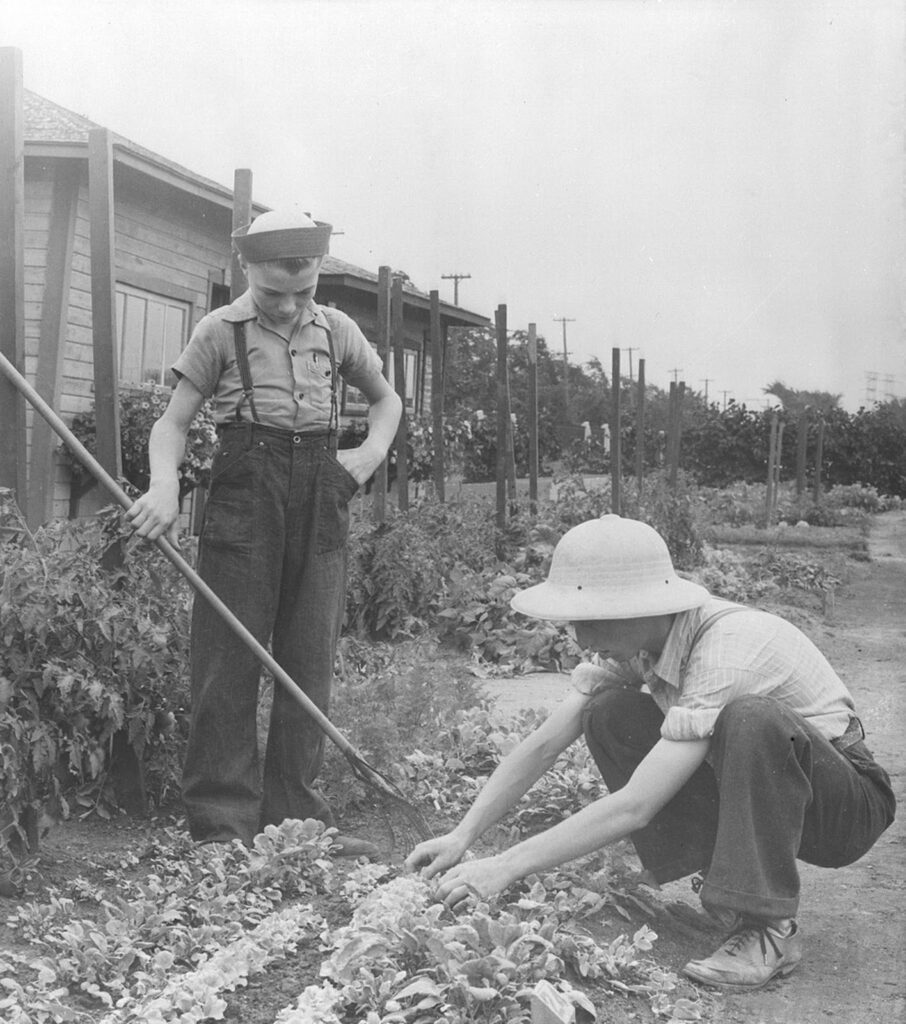
Children also planted fruit trees and vegetables wherever land was available, contributing to food supplies. Rural children worked hard on farms, donating the entire harvest to soldiers at war.
War-themed stamps featuring soldiers fighting Nazis were particularly popular in Edmonton. Sold in schools and stores for 30 cents, proceeds went toward the war effort. These stamps were frequently purchased by teenagers.
Boys and girls of various ages knitted socks and scarves to send to soldiers abroad, supporting families of servicemen.
Entertainment During Wartime
The war left a noticeable impact on cultural life. Children’s sports teams adopted military-inspired names like “Corvettes” and “Spitfires.” Literature for children centered on soldiers and battles, teaching them about famous combat sites and military ships.
There was also a surge in comic books, known as “whites” due to their colored covers and black-and-white interiors. Characters like Johnny Canuck and Jack fought Nazis in these comics, capturing the imagination of young readers.
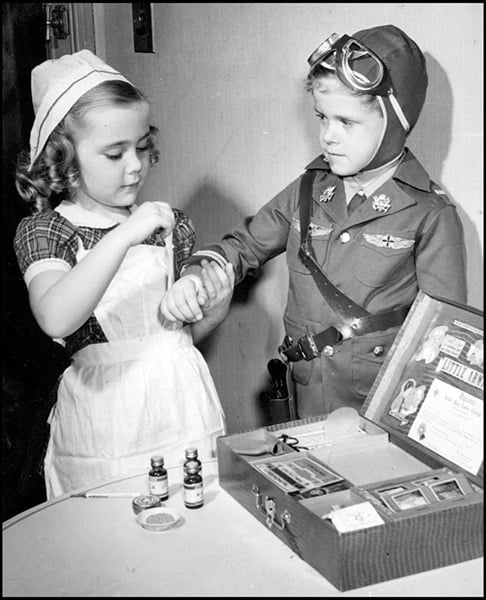
Children also engaged in wartime-inspired games, staging imaginary battles to defeat the enemy. Toy stores sold miniature pistols, helmets, and uniforms for these games.
Teenagers flocked to cinemas to watch cartoons, comedies, and war films like Mrs. Miniver, which portrayed the Dunkirk evacuation. War thrillers such as Casablanca were also popular, showcasing Canadian bomber crews in combat against German forces.
Shortages and Rationing
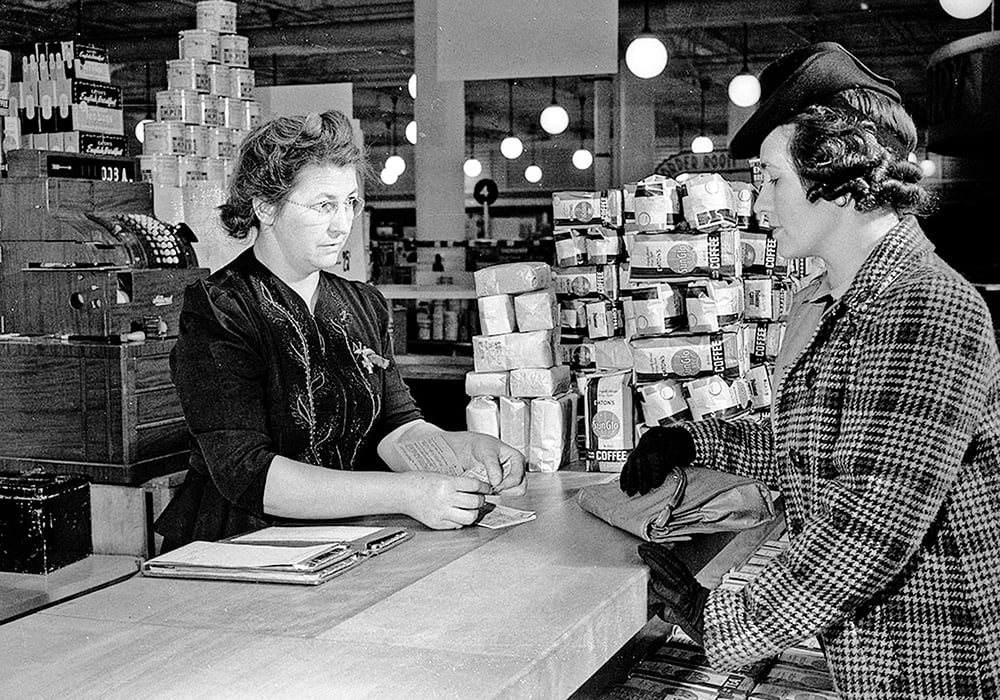
By 1943, Canadian families faced shortages of food and household goods. Ration coupons were introduced to ensure fairness. While conditions in Canada were better than war-torn Europe, children lamented the lack of chocolate, candies, and cookies.
Housing shortages became evident in major cities like Vancouver and Edmonton. Working-class families often lived in garages, basements, or attics. For children, these were harsh conditions, with as many as four siblings sharing a single bed.
The war in Europe ended on May 8, 1945, bringing immense relief and joy to children and millions of Canadians alike. Many children took pride in their contributions to the victory effort.