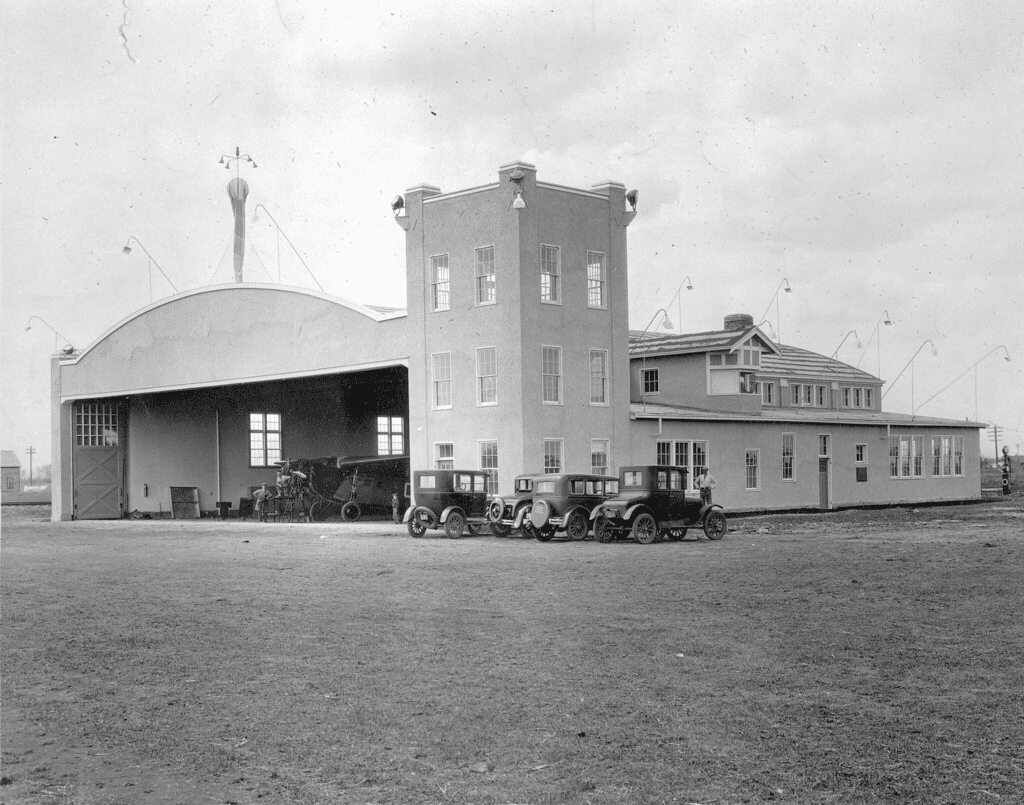

World events, no matter how monumental, inevitably come to an end. Such is the case with war, a harrowing chapter in human history. The contributions of countless soldiers to victory often remain untold, their sacrifices etched in silence. However, certain key sites and events are forever enshrined in the annals of military history. One such site is Edmonton’s municipal airport, Blatchford Field, which played a pivotal role in World War II’s Lend-Lease operations. More on edmonton-yes.com.
The Birth of Blatchford Field: Why Edmonton?

In 1929, Edmonton became home to Canada’s first licensed airfield, Blatchford Field. Dubbed the “Aerodrome of Democracy” by Franklin D. Roosevelt, the airfield would become a cornerstone of the Lend-Lease program during World War II.
Edmonton was selected due to several strategic advantages:
- Ideal weather conditions for flying.
- Vast open spaces, crucial for aviation training.
- Abundant fuel supplies and industrial capabilities to support aircraft operations.
- Relative safety from Japanese and Nazi air threats.
- Proximity to Europe, ensuring efficient logistical support.
These factors made Edmonton a prime location for training pilots and assembling aviation resources.
The Airfield During the War
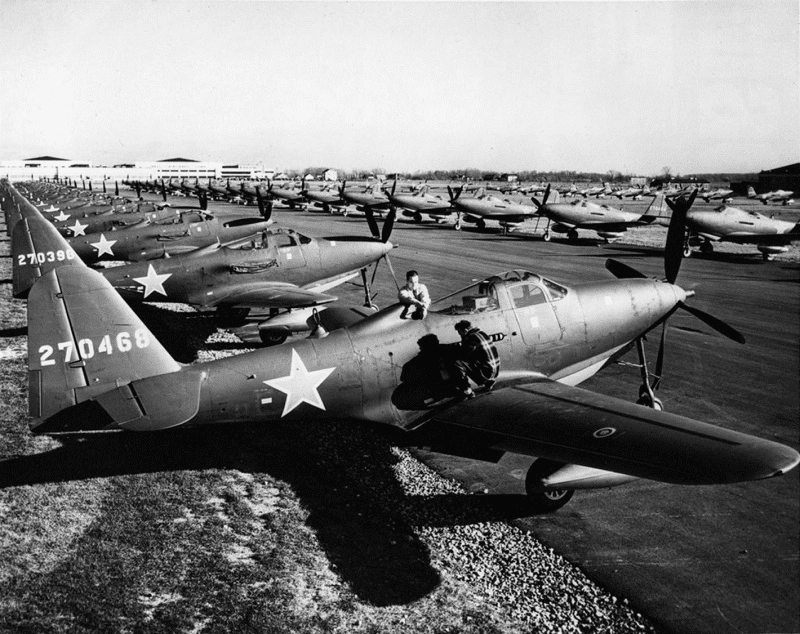
In 1939, a historic meeting in Ottawa between representatives of Canada, New Zealand, and the United Kingdom resulted in the development of the British Commonwealth Air Training Plan (BCATP). This initiative, launched in 1940, was a game-changer in the war effort. The BCATP ensured that a significant number of aircrew were trained in Canada, away from the immediate dangers of European conflict.
By 1940, the Nazi Luftwaffe threatened to dominate the skies over Europe. However, the Royal Air Force (RAF), bolstered by skilled pilots trained under the BCATP, successfully repelled these advances. Many of these pilots honed their skills at Blatchford Field.
From 1940 to 1944, Blatchford Field gained prominence as a key RCAF base, facilitating aviation support to Alaska and Fairbanks. This was part of the effort to assist the Soviet Union under the Lend-Lease program. The skies over Edmonton were crowded with aircraft performing a wide range of operations, a sight still remembered by local residents of the era.
Training and Operations
The successful operations at Blatchford Field were no coincidence. Extensive preparation involved months of meticulous work by a dedicated team of professionals. In 1939, an Allied agreement led to the establishment of flight and observer schools, as well as bombing and gunnery training centers across Canada.
By 1940, Edmonton housed one such school, where seasoned pilots, many with combat experience, trained new recruits. Across Canada, approximately 100 airfields were established, but Blatchford Field stood out as the most significant.
The training program produced over 130,000 pilots, the majority of whom were Canadian, with others from Australia, New Zealand, the United Kingdom, and other Allied nations. These pilots became vital contributors to the Allied victory in the war.
Legacy of Blatchford Field
Blatchford Field was a cornerstone of the Lend-Lease program, a vital supply chain element for Allied forces. The airfield’s capacity and infrastructure expanded significantly during the war, cementing its role in history. It’s difficult to imagine how the Allied narrative, particularly the U.S.-British aid program to the Soviet Union, would have unfolded without this critical aviation hub in Edmonton.
The story of Blatchford Field serves as a powerful reminder of Edmonton’s significant contributions to World War II. Its legacy as a center of training, logistics, and innovation continues to inspire.