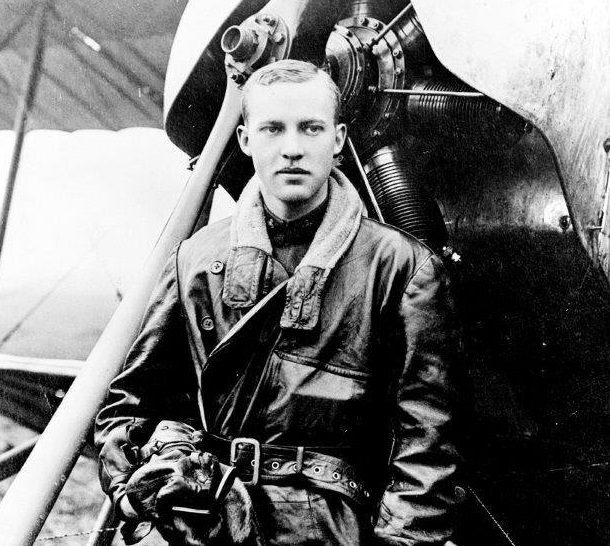

Wilfrid May was a distinguished fighter pilot, a celebrated ace of World War I with 13 confirmed victories. He also carried out several historic flights, delivering medical supplies to Northern Canada. Let’s explore the life and service of this remarkable man on edmonton-yes.com.
Combat Missions in World War I
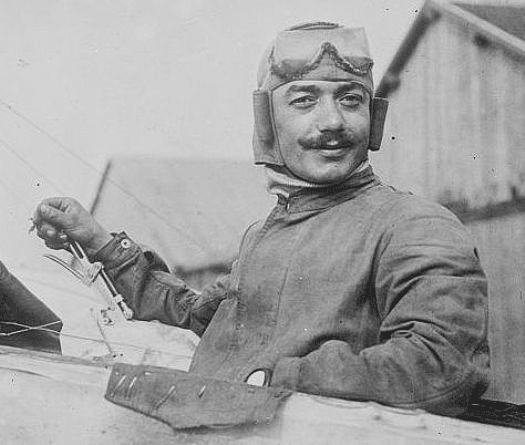
Wilfrid was born in Carberry, Manitoba, on March 20, 1896. His parents, Alexander and Elizabeth, were entrepreneurs. In 1903, the family moved to Edmonton, where Wilfrid spent his childhood. His lifelong nickname, “Wop,” originated from a mispronunciation of his name by a cousin.
In 1916, May joined the 202nd Edmonton Sports Battalion of the Canadian Expeditionary Force. He soon became a machine gun instructor and was promoted to sergeant. In November 1916, his battalion was deployed overseas. By October 1917, Wilfrid returned home and transferred to the Royal Flying Corps, completing his training in February 1918 as a lieutenant. On April 9, he was assigned to the 209th Squadron of the Royal Air Force.
On April 21, May took part in his first air battle over the Somme River, piloting a Sopwith Camel fighter. His squadron clashed with the German air force led by the legendary Manfred von Richthofen, also known as the Red Baron. During the battle, May’s guns jammed, forcing him to disengage. Captain Brown, noticing May was in danger, fired at Richthofen, ultimately saving Wilfrid’s life. By the end of the war, May had achieved 13 victories, was promoted to captain, and gained ace status. For his bravery during the Battle of Amiens in August 1918, where he was wounded, May was awarded the Distinguished Flying Cross. A London Gazette article from December 3, 1918, described him as a bold and fearless pilot who successfully conducted offensive and bombing patrols.
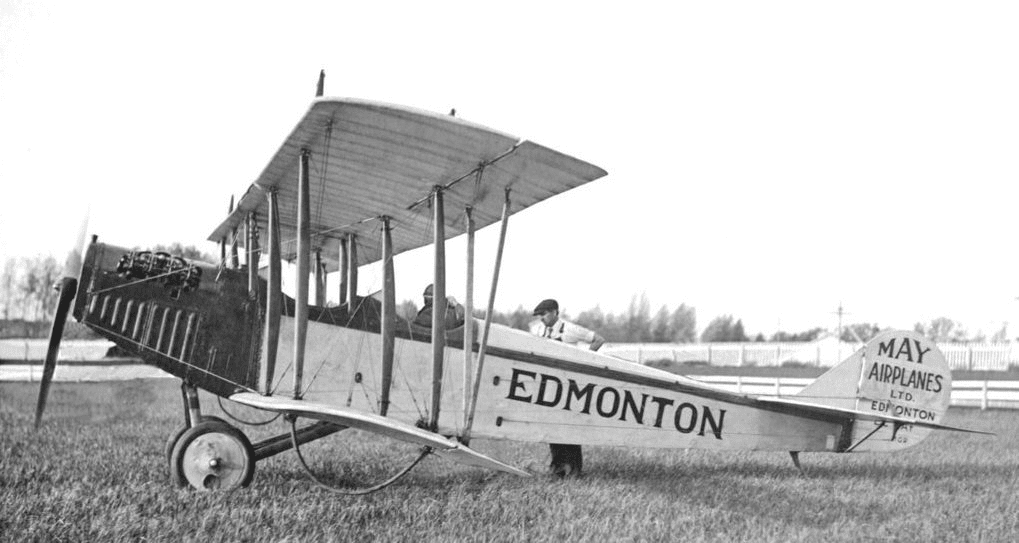
Following World War I, Wop May returned to Canada. On June 7, 1919, he obtained his civilian pilot license. That same year, he and his brother established Canada’s first registered aviation company, May-Gorman Aeroplanes Ltd., based in Edmonton. Flying a JN-4 aircraft, May toured the prairies, performing aerial stunts at exhibitions and rodeos.
Heroic Achievements
In September 1919, May participated in a police chase using an aircraft—the first of its kind in Canada. John Larsen, recently released from prison, was suspected of brutally murdering Edmonton police constable William Nixon. Edmonton Police Chief Hill hired May to transport a detective to Edson, where Larsen was reportedly heading. With no suitable landing site nearby, May skillfully landed his biplane on a city street. Shortly after, officers apprehended Larsen and transported him back to Edmonton by train.
In May 1920, Wop May obtained his commercial pilot certificate and soon established Canada’s first air harbor on a farm near Edmonton. In 1924, he began working for the National Cash Register Company in Dayton, Ohio, where he partially lost sight in one eye due to an accident during training.
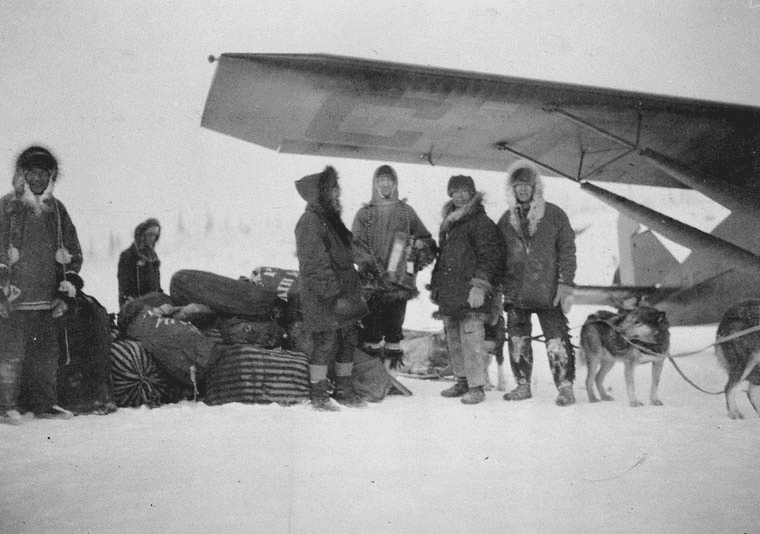
In 1927, May became the founder and first president of the Edmonton and Northern Alberta Aero Club. Extreme cold in Canada’s subarctic regions made flying hazardous, and pilots who ventured into these remote areas were known as “bush pilots.” In 1920, a telegraph from Peace River reported a diphtheria outbreak in the Little River district. Delivering the serum by dog sled would take up to two months, making timely intervention critical to preventing an epidemic. May and his friend Horner volunteered to deliver the medicine to Fort Vermilion. On the morning of January 2, they departed in an open-cockpit Avian biplane. The cargo of medical supplies was wrapped in wool blankets and placed in a compartment with a coal heater.
Braving snowstorms in subarctic darkness and freezing temperatures, May and Horner faced a sudden fire from the coal heater. They had to land, discard the heater, and store the serum under their clothing to keep it warm. On January 3, the pilots landed in Fort Vermilion, where doctors diagnosed them with severe frostbite. Their heroic act gained international recognition. Throughout the early 1930s, May continued numerous mercy flights in harsh conditions, risking his life to deliver aid.
Service in World War II and Honors
In the winter of 1929, May and George Horner founded Commercial Airways, a company specializing in airmail delivery to the Arctic. During World War II, May once again made his mark—this time as a parachute search and rescue operator in Northern Canada, assisting American pilots in shooting down enemy aircraft en route to Alaska.
In 1935, May was awarded the title of Officer of the Order of the British Empire. During World War II, he volunteered for the British Commonwealth Air Training Plan, serving as the general director of No. 2 Air Observer School in Edmonton. His school frequently took part in search and rescue operations. May later established the first organized parachute rescue team in 1943, initially composed of civilian volunteers. In 1947, he was awarded the U.S. Medal of Freedom for his contributions to the U.S. Army Air Forces from January 1942 to 1946.
Wilfrid May passed away in 1952. In 1974, he was inducted into Canada’s Aviation Hall of Fame.
Sources: