
On September 1, 1939, the Second World War began, and over a million Canadian men and women were sent into service. Most of them headed to the front lines. This war brought people together and helped shape Canada’s own national identity.
Practically from the very first days of the war, Canada established internment camps where the country detained its own citizens, targeting members of the German, Japanese, and Italian communities. In addition, Canada took an active role in holding German prisoners of war. To learn how POW and internment camps were set up in Alberta, read on in the article on edmonton-yes.
Internment Camps in Alberta
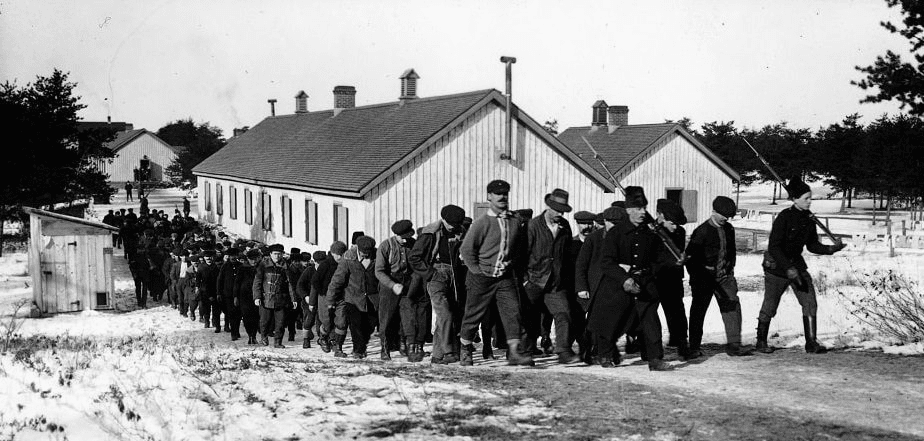
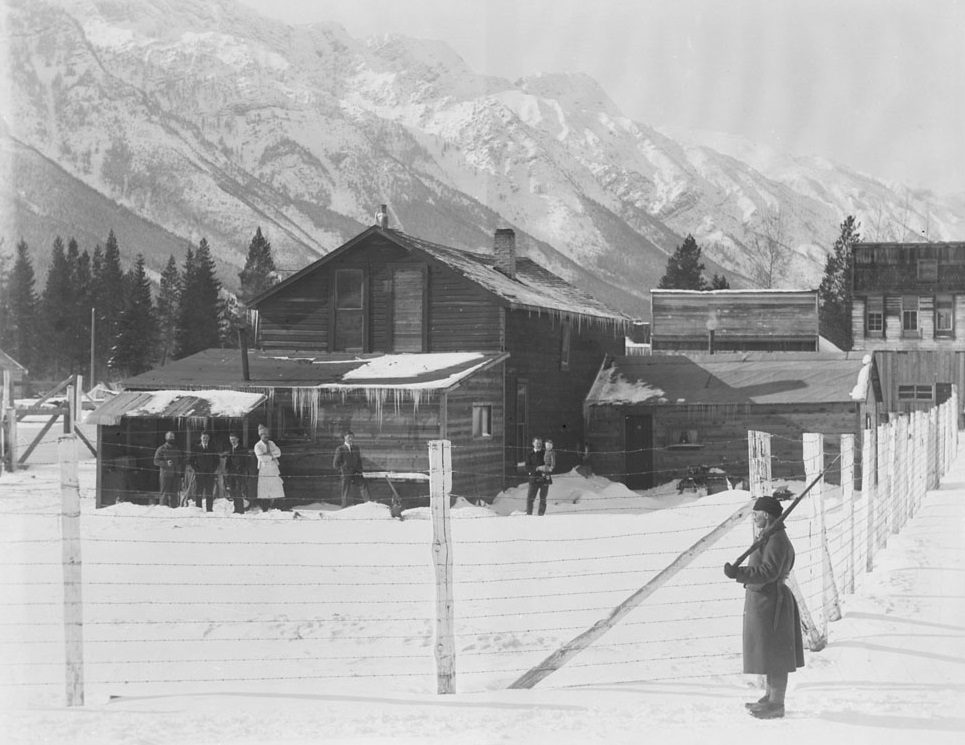
There were four main internment camps in the province, located in Seebe (in Kananaskis), Wainwright, Lethbridge, and Medicine Hat. The first camp established was Ozada, situated between Banff and Calgary. It was in use until the larger camps at Lethbridge and Medicine Hat were built. Once construction of what became some of the largest internment camps in North America was completed, Ozada was shut down, and its prisoners were transferred to the newly opened facilities.
Two million dollars were spent on building the camps at Lethbridge and Medicine Hat. Covering 143 hectares, they featured two recreation halls, six educational centres, five workshops, and 36 dormitories.
At the Seebe camp, there were special rooms for prisoners, a store, a dining hall, a recreational space, and a sports ground.
Overseas and at home, Canadians worked together to defeat their common enemy, yet at the same time, Canada imprisoned some of its own citizens who were considered sympathetic to the German side. Anyone of a different nationality residing in Canada who refused to join the war effort was arrested and sent to these camps.
In 1939, the War Measures Act was reactivated, allowing the government to detain anyone suspected of espionage, sabotage, or posing a threat to public safety.
By 1941, following the bombing of Pearl Harbor, Canadian authorities grew more distrustful of Japanese Canadians, and around 20 thousand Japanese were forced out of Canada. All able-bodied men were sent to labour camps, while women, children, and the elderly were expelled from their homes and deported back to their country of origin.
This decision, made by the Security Commission, led to the breakup of families and the selling off of their property.
Those Japanese people expelled from British Columbia arrived in Alberta. The war caused a shortage of labour in the province. Alberta’s fruit and vegetable farmers requested help from Japanese workers. In this way, farmers gained access to cheaper labour, and for the displaced people, hard farm work was better than ending up in an internment camp.
POW Camps – A Break or Punishment?
During the Second World War, Great Britain couldn’t accommodate all German POWs, so Canada stepped in. By 1942, Canadian POW camps were holding more than 37 thousand German prisoners. Alberta became the first province to begin accepting them.
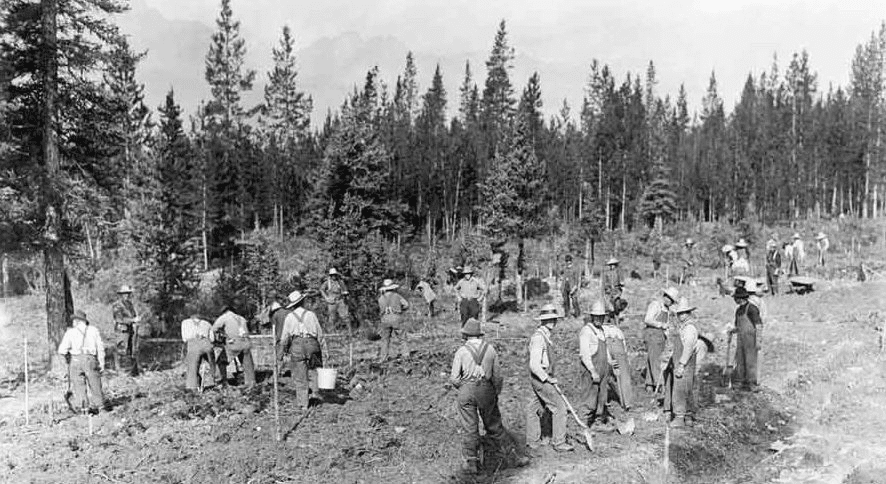
There were specific rules in these camps. Every day, the prisoners were counted; every week, their living quarters were inspected. At Wainwright camp, POWs worked on improving the landscape, doing gardening, planting shrubs, and seeding grass. Some prisoners were contracted out to farmers to help solve the labour shortage. By 1944, over a thousand inmates were working outside the camps.
Various leisure activities were organized for the prisoners. They played sports, listened to music, attended theatrical performances, and enjoyed board games. Camp libraries were established— for example, the library at Lethbridge camp had more than 20,000 books. Prisoners took up woodworking, making all kinds of constructions later passed on to many museums in Alberta. After the war ended, the camps were disbanded. A significant number of former POWs decided to stay in Alberta.