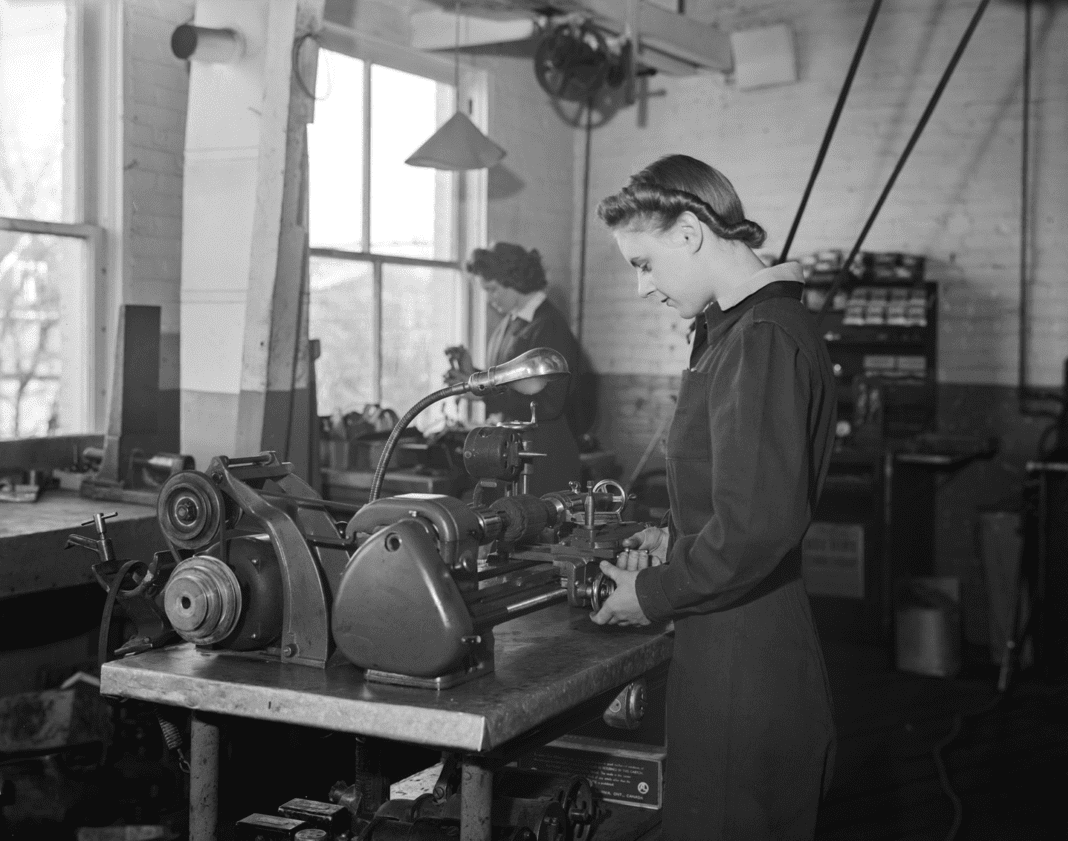

Historically, wars have often been associated with men taking the brunt of the burden on the battlefield. However, it is well known that women have always played crucial roles during wartime, stepping in to ensure the continuity of life on the home front. In military history, many notable women have left their mark, such as Rose Kettenmueller, Maya Moskvich, and countless others. Perhaps the most famous woman actively involved in wartime efforts was Queen Elizabeth II herself, but that’s a story for another time.
Although the names of Edmonton’s women may not carry the same global recognition, their contributions during wartime were invaluable and deserve acknowledgment. More on edmonton-yes.com.
Transformations in Edmonton During the War
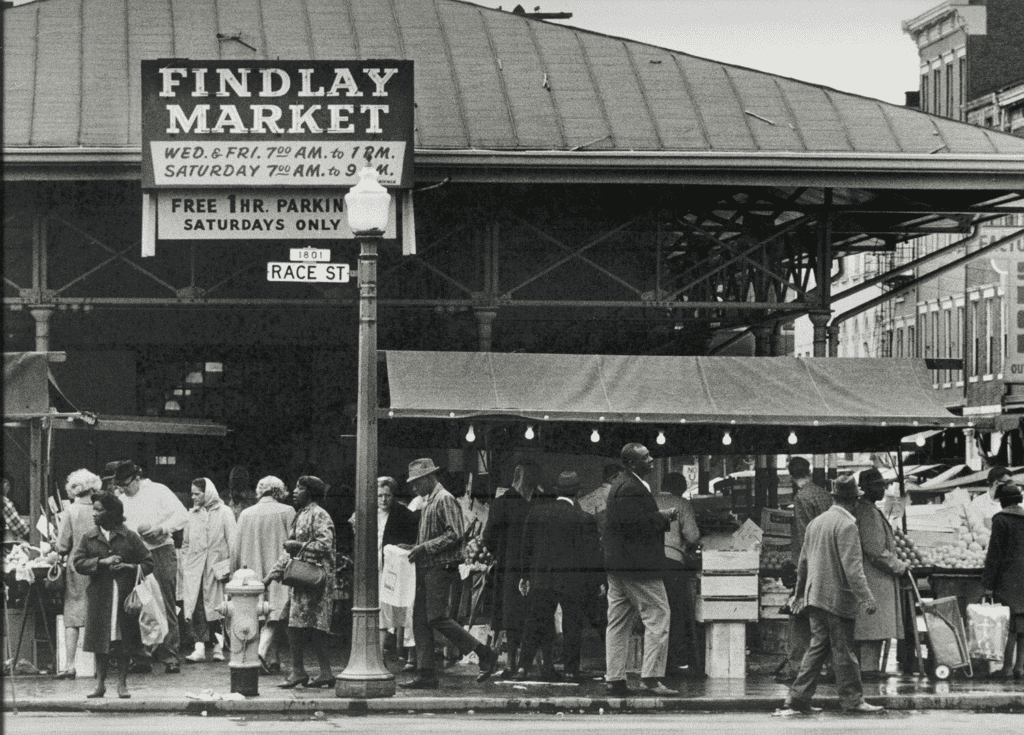
Over the five years of World War II, Edmonton underwent significant changes, with local women playing a critical role in the city’s transformation.
By 1943, Edmonton’s population had surged to an impressive 130,000 people, up from 97,000 just a year earlier. This rapid growth was largely due to an influx of individuals eager to serve in the Royal Canadian Air Force (RCAF) or participate in the construction of the Alaska Highway. With a large proportion of men deployed for military service, the responsibility of sustaining the city fell squarely on women’s shoulders.
Women as the Backbone of the War Effort
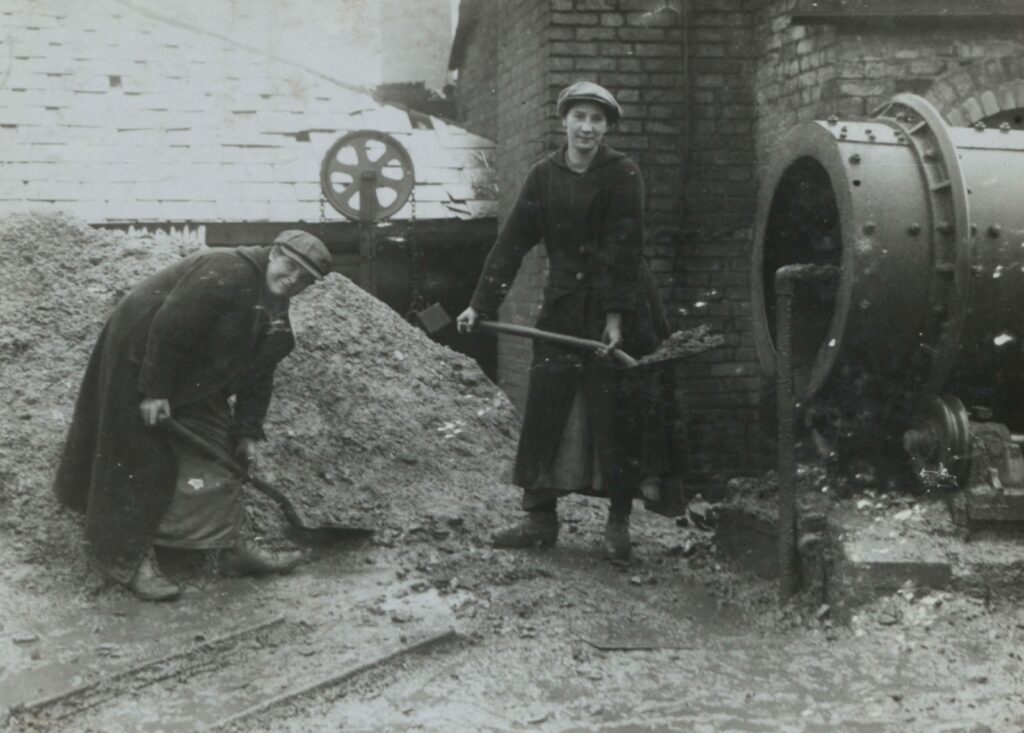
Canadian food exports became a critical element of wartime support, with women playing a central role. Edmonton women turned to home canning, ensuring a steady supply of preserved foods to aid Britain.
One significant chapter in Edmonton’s history was written by the Red Cross, which expanded its presence in the city from 47 to 325 branches. A notable local philanthropist gathered around 40 women at her home, where they sewed and produced goods for the Red Cross. These efforts extended to fundraising and even building cottages for the elderly.
Despite the war, Edmonton was home to around 200 businesses employing over 6,000 workers, most of whom were women. Many of these women left the confines of their homes to take up factory jobs.
Breaking Gender Stereotypes
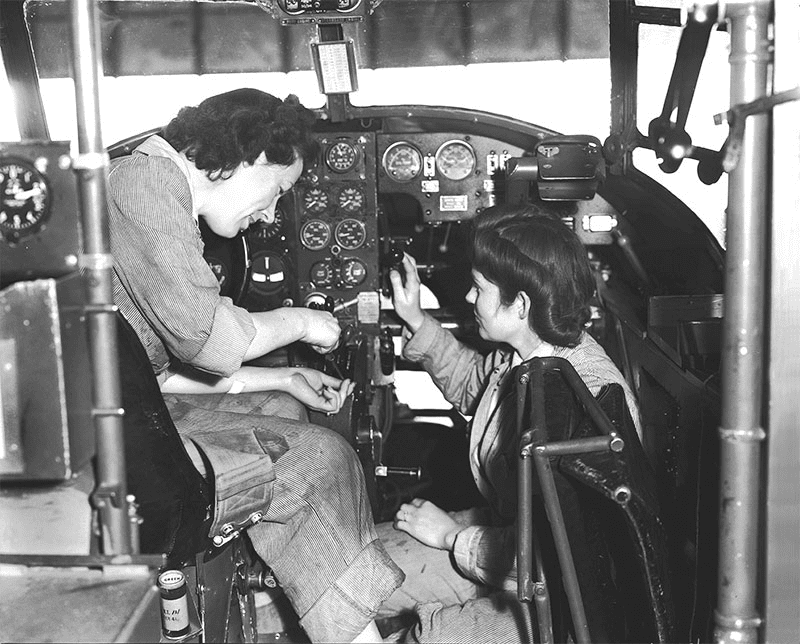
Approximately 200 Edmonton women joined Dominion Motors Ltd. as mechanics, while others found work at Kenn’s Garage, a business that had struggled before the war but flourished in the 1940s. Similarly, Aircraft Repair Ltd. saw women make up nearly 40% of its workforce, performing tasks traditionally reserved for men.
At the Great West Company, which produced military uniforms, the workforce consisted of 87% women. Over the course of the war, they manufactured an astounding seven million pieces of military attire.
Women Joining the Forces
Some women chose to serve directly in the armed forces, knowing that combat roles overseas were not an option. Many joined the RCAF Women’s Division, the Canadian Women’s Army Corps (CWAC), or the navy. While some performed office work, the most capable were sent overseas despite initial plans to keep them at home. These women underwent training in cities like Toronto and Winnipeg before heading to the front lines.
Lasting Impact
World War II saw an unprecedented rise in the number of working women in Edmonton. There was even talk of legally ensuring their employment post-war.
It’s evident that Edmonton’s women did not sit idle during one of history’s most challenging periods. They became a vital support system for the men on the battlefield, proving themselves indispensable to the war effort and changing societal norms about women’s roles in the workforce.
Their resilience and determination left an enduring legacy, shaping Edmonton’s post-war future and setting the stage for greater gender equality in the years to come.