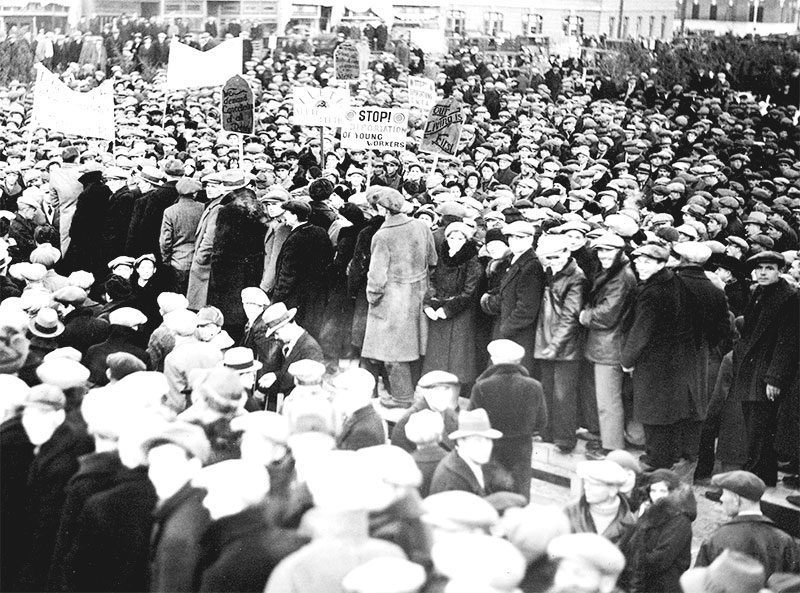

In 1921, Alberta faced a major crisis that deeply affected the real estate market, industrial sector, and overall economy. The minimal population growth that year led to stagnant real estate development and a labor shortage in industries. As a result, many local real estate companies and industrial enterprises closed rapidly. Learn more on edmonton-yes.
Politics During the Crisis
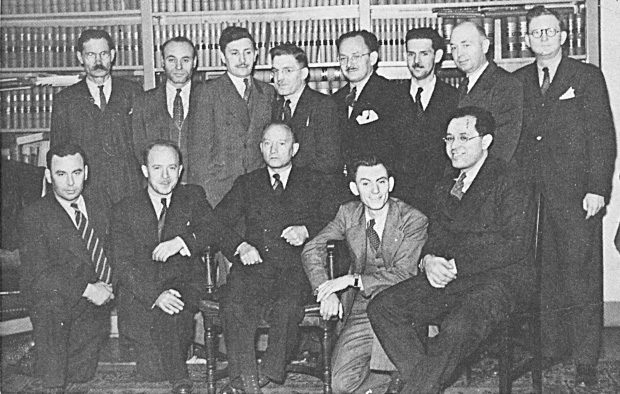
On July 18, 1921, Alberta held general elections to elect members of the 5th Legislative Assembly. This was one of only five times in the province’s history that the government changed. Since Alberta’s establishment as a province, the Liberal Party, led by Charles Stewart, had been in power.
In 1921, the Liberal Party ran again but suffered defeat to the newly formed United Farmers of Alberta. This party aimed to overcome the crisis by revitalizing farming and industry, believing these sectors could rejuvenate Alberta’s economy. Another goal was to create ample job opportunities to eliminate unemployment in the province’s cities.
What Was the Crisis in Alberta?
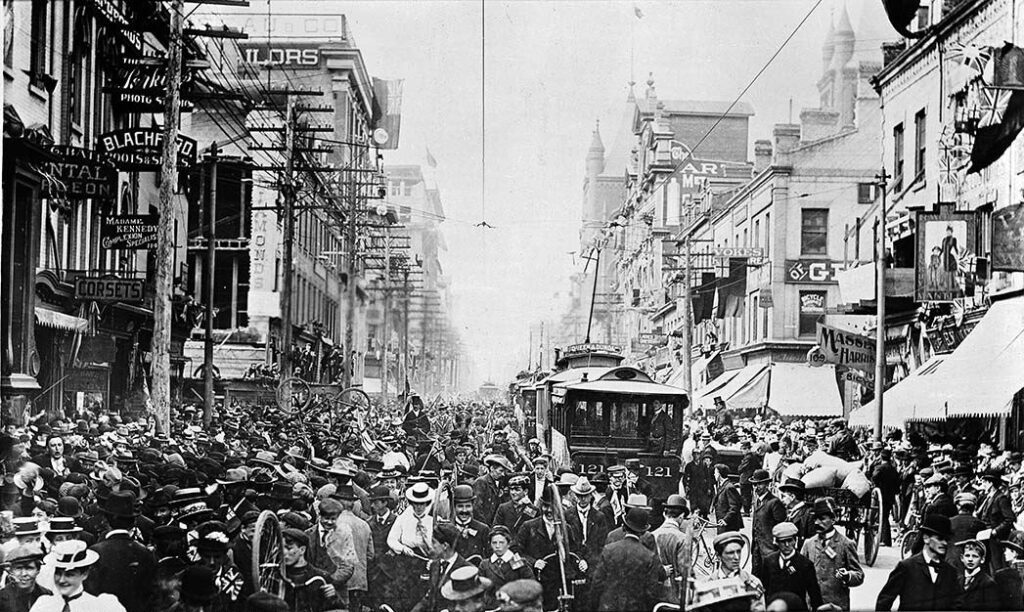
During the crisis, Edmonton’s economy stagnated. The city’s population grew so slowly that the real estate sector couldn’t develop as desired, despite a few major construction projects. However, some progress was made: Edmonton opened a central library in 1923, a zoo in 1925, and by 1926, real estate sales and the economy began to improve.
In 1926, Edmonton’s Real Estate Association held its first meeting, aiming to accelerate the city’s development, improve conditions for real estate workers, and professionalize the field through licensing.
Edmonton experienced the most significant decline across all sectors during the crisis. Many industries suffered losses, and business owners struggled to stay afloat. The city’s growing population included many unemployed and homeless individuals, leading to the deterioration of residential developments.
Any progress in Edmonton’s economic and entrepreneurial sectors was stifled by the devastating effects of the Great Depression. Falling grain prices devastated farmers, who also faced frequent droughts, floods, wildfires, and storms.
Farmers began abandoning their fields to seek work in cities. As rural populations dwindled, towns and villages declined and went bankrupt.
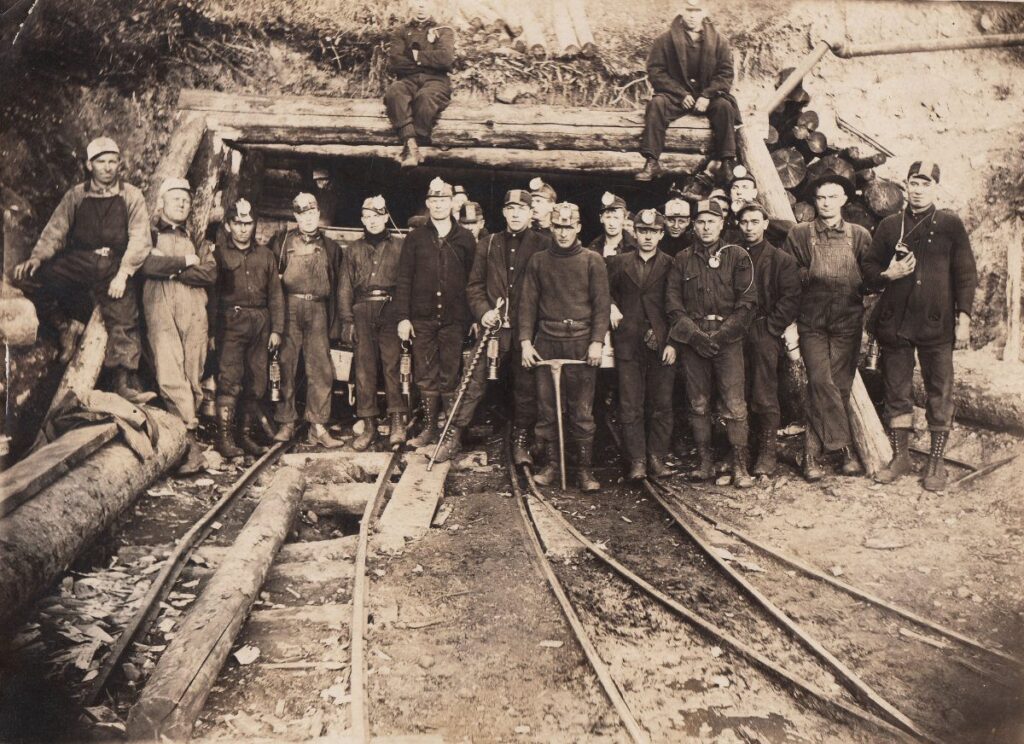
The mining industry in southern Alberta was also hit hard, with coal demand dropping sharply and many mines closing.
By 1928, Alberta’s urban economy showed slight signs of recovery due to the growth of the oil industry, but this progress was short-lived. The stock market crash of 1929 devastated Alberta’s urban centers. Businesses shut down, homes were confiscated, and unemployment soared.
Edmonton’s streets were crowded with unemployed men from Eastern Canada desperately seeking work. The construction industry ground to a halt; although housing was in demand, few could afford it.
Homeless Edmontonians dug caves along the river valley, and the government issued permits for families to live in tents near railway tracks.
Recovery and Development
The crisis began to ease in the late 1930s. Alberta’s government took desperate measures to stimulate the local economy, introducing credit systems as a form of currency exchange and initiating new commercial projects.
In Edmonton, the airport and cinemas were repaired, and downtown saw the construction of department stores like Eaton’s and Hudson’s Bay.
The second wave of industrial and agricultural development in Alberta occurred during World War II. The war effort created a large military industry, providing numerous employment opportunities. During the war years, real estate became the leading sector driving Alberta’s economic recovery.