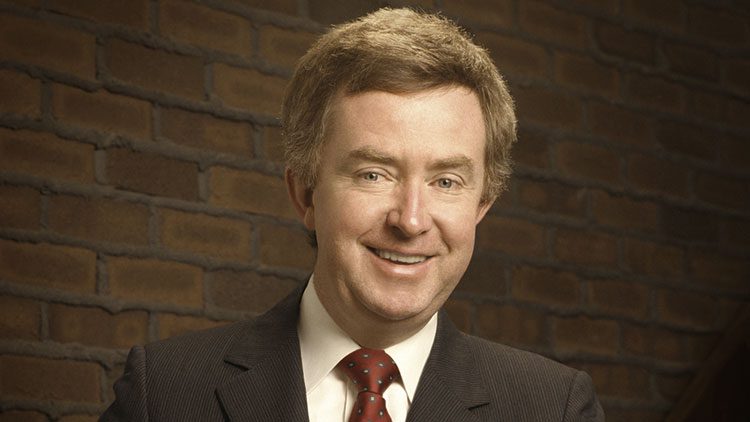

Charles Joseph Clark was a Canadian statesman, businessman, and politician who served as the 16th Prime Minister of Canada. At the time, he was the youngest person to hold this position in Canadian history. Through his leadership, Canada became the first G7 country to implement sanctions against the harsh apartheid regime in South Africa. Here’s an in-depth look at how Charles Clark became a prominent politician and influential leader. More on edmonton-yes.com.
Education and Early Career
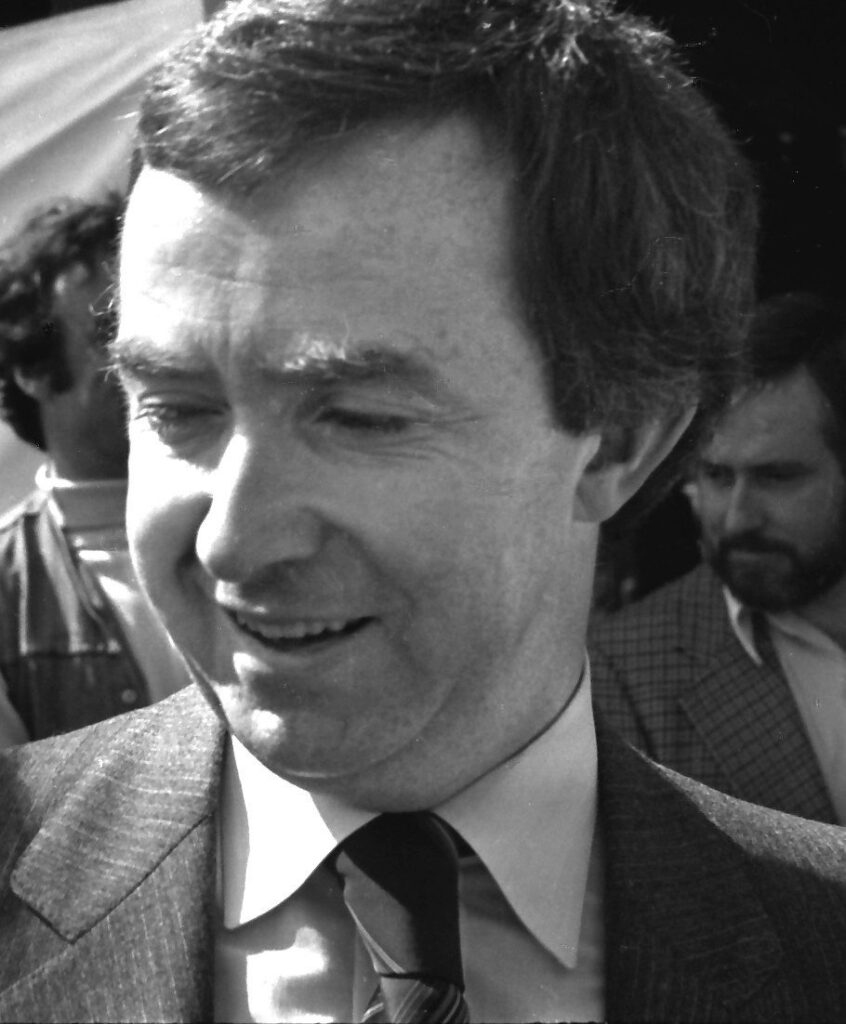
Charles was born on June 5, 1939, in High River, Alberta, to Grace and Joseph Clark. His father was the editor of a local newspaper. Charles graduated from high school and went on to study at the University of Alberta.
His interest in politics emerged during his university years. In his first year, Charles was an active member of the Alberta Debate Society. Later, he worked as an editor for the Edmonton Journal. In 1960, he earned a Bachelor of Arts in history, followed by a Master of Political Science a few years later.
Clark pursued further studies at Dalhousie Law School. In 1962, he joined the political organization of former Canadian Prime Minister Louis St. Laurent, serving for three years. By 1965, Clark was teaching political science at the University of Alberta, and in 1967, he became an assistant to federal minister Davie Fulton.
Political Career
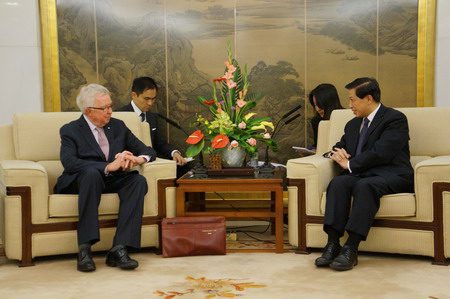
Clark was first elected to the House of Commons in the fall of 1972, representing the Rocky Mountain constituency. From 1972 to 1974, he chaired the Progressive Conservative Committee on Youth Issues. In 1974, he became the chair of the Progressive Conservative Committee on Environmental Issues.
In 1976, Charles Clark was elected national leader of the Progressive Conservative Party and joined the faculty of administrative studies at York University.
In 1979, Clark became Prime Minister of Canada, and on June 4, just a day before his 40th birthday, he was sworn into office.
Clark’s political party took decisive stances on several issues:
- Actively managing government spending.
- Promoting entrepreneurship in Canada, particularly by stabilizing taxes.
- Developing energy policies to enhance the sector.
- Improving relationships between federal and provincial governments.
Achievements as Leader of the Opposition
During his time as Leader of the Opposition from 1980 to 1983, Clark achieved significant successes. His efforts focused on making constitutional changes more acceptable to Canadians.
In energy policy debates, Clark held the government accountable for weakening parliamentary processes. This pressure led to a revised energy bill being submitted to parliament. Through the Via Rail task force, Clark ensured the government engaged with the public by consulting on issues of national importance.
With the help of the Budget and Economic Affairs Task Force, Clark’s party succeeded in repealing over 50 unjust laws. He strongly believed that economic policy should be guided by public consultation, emphasizing that Canadians’ voices were essential for improving the nation’s economy.
Later Career
Clark was an advocate of populist philosophy, striving to make the House of Commons more accountable and trustworthy by encouraging robust debates.
In 1980, Clark stepped down as Prime Minister. In 1984, he took on the role of Canada’s Minister of Foreign Affairs.
After retiring from a 35-year political career, Clark received numerous honors, including the Order of Canada and the Alberta Order of Excellence.
Legacy
Charles Clark remains a pivotal figure in Canadian history, remembered for his dedication to public service, transformative leadership, and efforts to strengthen the foundations of Canadian democracy.