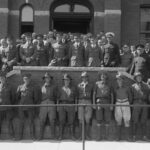

In August 1914, World War I began. At the time, Alberta was a young province. Many Edmonton residents actively participated in the war, even though the battles were fought overseas.
Thousands of provincial residents fought and died on the frontlines abroad, while others supported the soldiers from the home front. The significant loss of life during World War I permanently changed Alberta. More on edmonton-yes.
Patriotic Zeal and Many Volunteers on the Frontlines
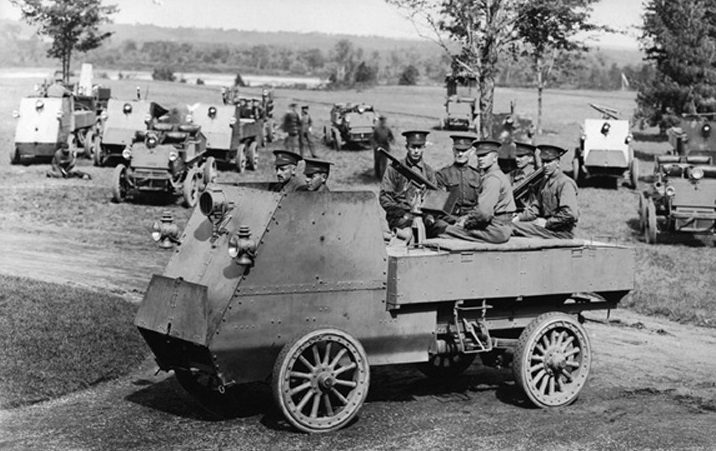
World War I was the bloodiest conflict in Canadian history, claiming nearly 61,000 Canadian lives. The remarkable achievements of Canadian soldiers on the battlefields ignited national pride among men. In 1914, the Canadian government decided to join the war and send its first troops to the front.
The war united people. The Liberal opposition urged the Conservative government, led by Prime Minister Robert Borden, to establish training centers for soldiers in all provinces of Canada.
In August 1914, mobilization began across Canada. In the war’s first year, 25,000 volunteers enlisted nationwide.
Near Quebec, the first training center was opened to prepare future soldiers. By October 1914, over 30,000 individuals from this center were sent to the front. As of 1915, 12,000 men from Edmonton had joined the fight. Edmonton soldiers participated in many key World War I battles, including the Somme and Vimy Ridge.
From the first month of the war, a patriotic volunteer fund in Edmonton began collecting money to support soldiers’ families. Military hospitals were also established in the city to care for wounded and ill soldiers.
Patriotic Canadians organized rallies, demanding the government dismiss German and Austrian workers in Edmonton and deport them back to Germany.
Hard Times During the War and Long-Awaited Victory
The war caused devastating damage to the economy of both Edmonton and Canada. In the city, many people suffered from unemployment as all state treasury funds went to support the army. The Canadian government borrowed money, resulting in a national debt of $2.46 billion by the end of the war in 1918, a significant sum at the time.
To repay this debt, the government imposed high taxes on city railways and entrepreneurs. Canadian Finance Minister Thomas White opposed the tax increases but was unable to influence the government.
Amid the dire economic situation, many businesses were forced to close, and Edmonton’s agricultural sector also declined. The absence of male laborers, who were sent to war, left farmers short-handed.
The peak of unemployment in Edmonton occurred in 1915. Jobless men began enlisting in the military en masse. Additionally, the government enacted conscription laws, and police would detain men deemed fit for service on the streets and send them to recruitment centers. By summer 1915, 330,000 volunteers had joined the military. While significant, this number was still insufficient at the time.
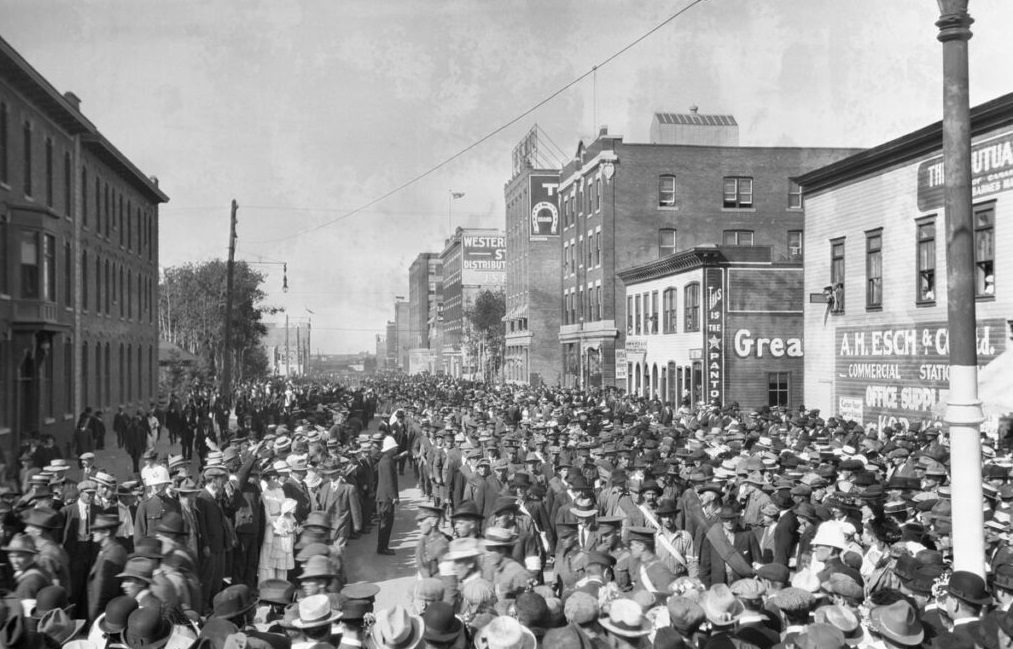
By the end of the war in 1918, Alberta had contributed 48,800 recruits—35% of the province’s male population. The provincial archives note that 6,140 Albertans were killed, and 30,000 were wounded. World War I ended on November 11, 1918, with the signing of the Armistice. On November 12, a celebratory parade was held on Edmonton’s Jasper Avenue.
By December 1918, war-weary men returned home, though their return was bittersweet. Despite the end of the battles, challenges persisted. Soldiers who survived and came home suffered from post-traumatic stress and needed psychological support. Communities mourned the lives lost. However, as it turned out, the war was not Canada’s only trial. The Spanish flu soon followed, ushering in a new struggle against the pandemic.