

“Every individual has the ability to utilize the tools provided by democracy to influence the composition of elected assemblies and the direction of their city and country.” – Ernest Preston Manning
Preston Manning boasts extensive experience in public service. A founder of the Reform Party and a Member of Parliament, he has dedicated his life to defending people’s rights and promoting democracy in both society and politics. More on edmonton-yes.com.
A Legacy of Leadership
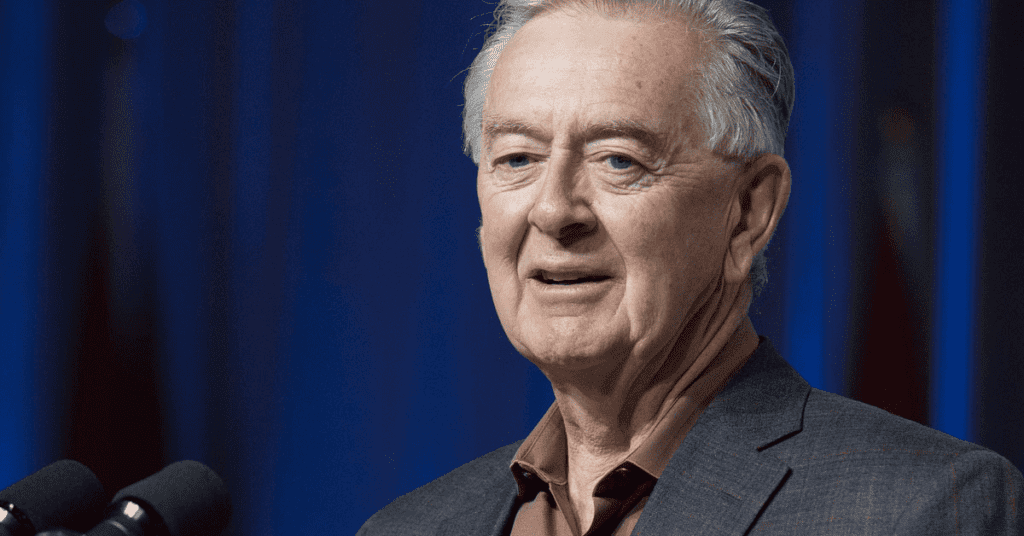
Ernest Preston Manning was born on June 10, 1942, in Edmonton, Alberta, into a devout Baptist family that emphasized faith in God and a commitment to serving others.
His father, Ernest Charles Manning, had relocated from Saskatchewan to Alberta to attend a Bible college, where he met Preston’s mother, Muriel.
Ernest Sr. played a crucial role in Alberta politics, witnessing the devastating effects of the Great Depression and committing himself to public service. Elected as a member of the Legislative Assembly of Alberta with the Social Credit Party, he became a pivotal figure in the province’s political history.
When Preston was just a year old, his father assumed the role of Alberta’s Premier. Preston frequently visited the Alberta Legislature as a child, walking from his elementary school to have lunch with his father. These visits allowed him to observe government operations firsthand, instilling in him the values of public service and responsibility.
At the age of 11, Preston’s family moved to Edmonton’s east side, settling near the North Saskatchewan River. His teenage years were marked by a deep commitment to his faith and active participation in the Baptist Church.
Education and Early Aspirations
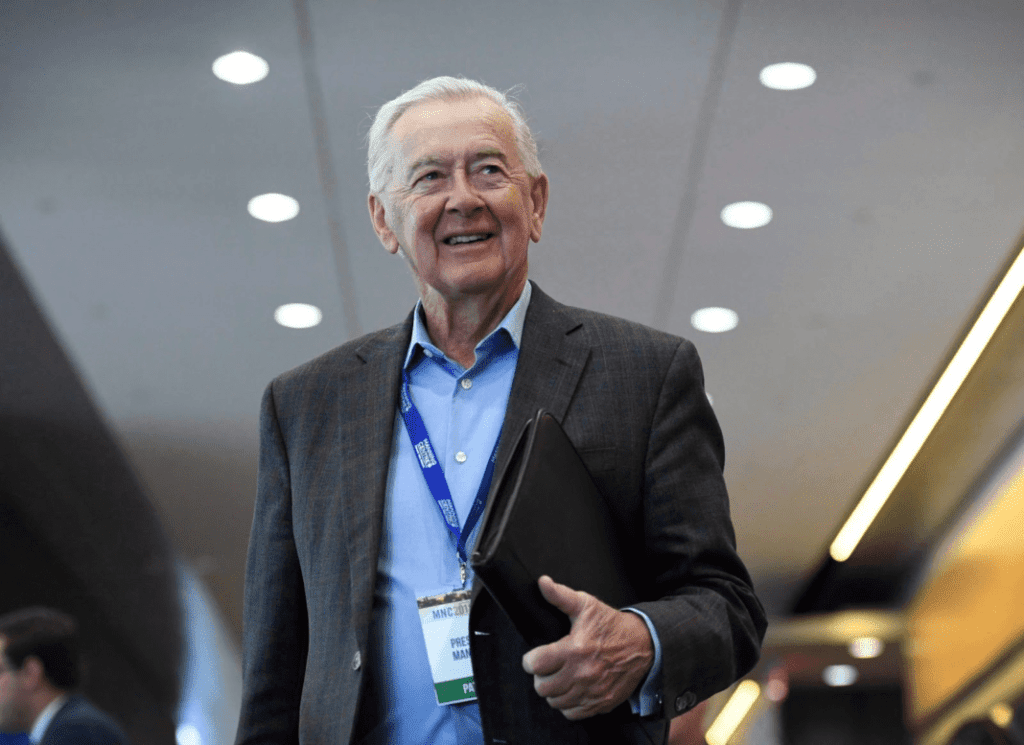
In 1958, Preston enrolled at the University of Alberta. By 1964, he had earned a Bachelor of Arts degree in economics, laying the foundation for his future career in politics and governance.
Entry into Politics
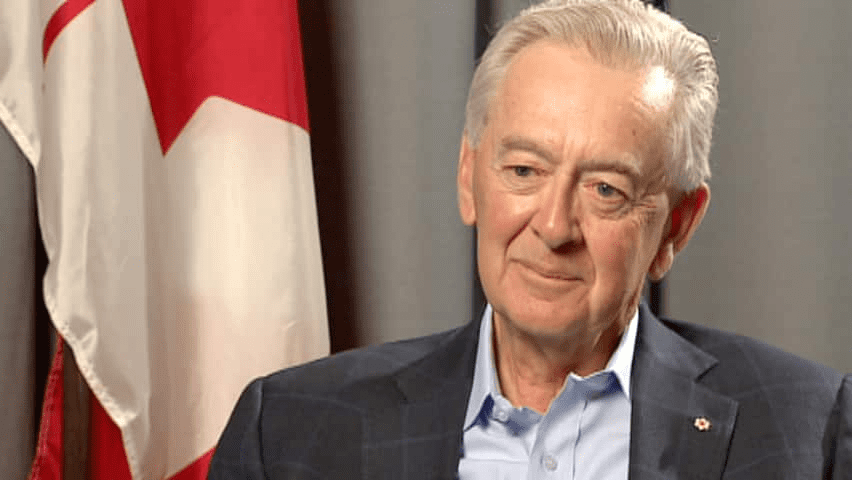
In 1965, Manning ran for a seat in the House of Commons as a member of the federal Social Credit Party. Despite his loss, he remained undeterred and pivoted his focus to building a career in management consulting.
In 1967, he married Sandra Beavis, and together they built a life centered on community and professional development. Over the next two decades, Manning’s consulting business thrived, specializing in strategic planning for the energy sector, Indigenous community development, and public policy.
By 1980, Manning had returned to politics, driven by a vision of creating a new political party.
Founding the Reform Party
In 1987, Manning organized a pivotal conference in Vancouver, which led to the creation of the Reform Party of Canada. As its leader, he sought to address issues of Western alienation and build a platform for nationwide reform.
Initially headquartered in Edmonton, the party moved its base to Calgary as it grew. By 1993, the Reform Party had 52 Members of Parliament, solidifying its place as a political force in Canada. Manning’s leadership played a key role in transforming the party from a regional to a national entity.
Life After Politics
In 2000, the Reform Party was rebranded as the Canadian Alliance Party. Shortly after, it merged with the Progressive Conservative Party to form the modern Conservative Party of Canada.
Manning retired from politics and, in 2005, co-founded the Manning Centre for Building Democracy alongside his wife. The center’s mission is to support political research, education, and communications infrastructure while promoting democracy grounded in conservative principles.
Legacy and Recognition
For his contributions to Canadian politics and public life, Preston Manning has received numerous accolades, including being appointed an Officer of the Order of Canada. His work continues to inspire political leaders and citizens alike to engage in democracy with integrity and purpose.