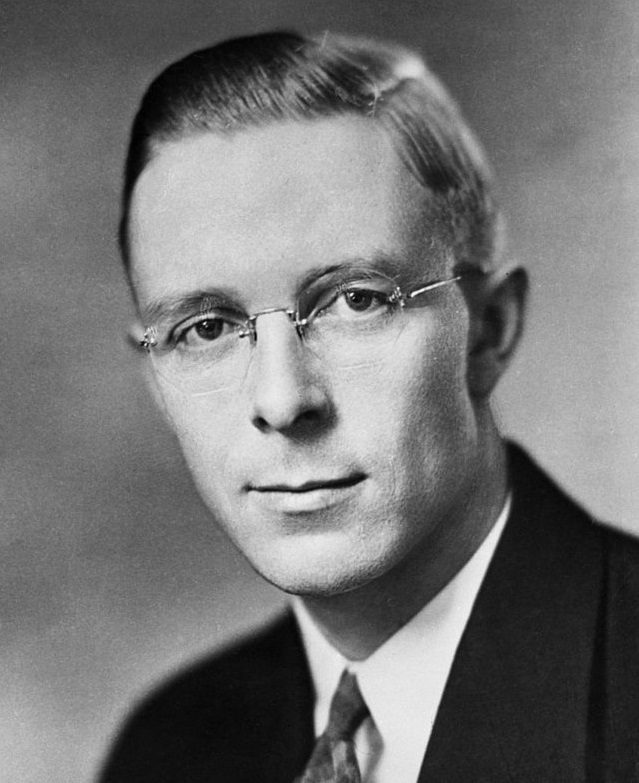

Elmer Roper was a prominent Canadian businessman, trade unionist, and politician. He was an active member of the Alberta Co-operative Commonwealth Federation (CCF) and served as Edmonton’s mayor. More details on edmonton-yes.
Childhood and Education
Elmer was born in Ingonish, Nova Scotia, into the family of a sea captain. He received his education in Sydney and moved to Calgary’s West End in 1907, where he trained as a printer and began working at the Calgary Herald’s editorial office.
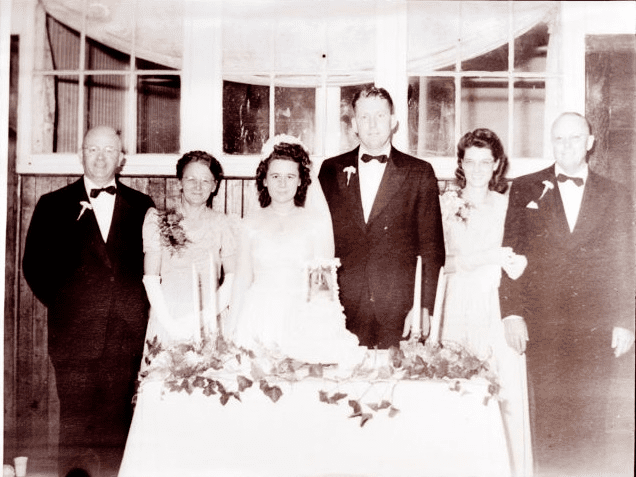
In June 1914, Roper married Goldie Bell. The couple later had four children.
From 1914 to 1916, Elmer served as president of the Calgary Trades & Labour Council. In 1917, he relocated with his family to Edmonton, where he led the editorial department of the Edmonton Bulletin. Concurrently, he held leadership positions in the Edmonton District Labour Council and later the Edmonton Trades & Labour Council.
Roper played a pivotal role in ending Edmonton’s general strike in 1919. While not a fervent supporter of the One Big Union movement, he was sent to Winnipeg as a union representative to urge colleagues not to join the strike. His union had a contract with the city, and participation in the Winnipeg General Strike would have voided it. Thanks to Roper’s efforts, the union refrained from striking.
In 1921, he left the newspaper to establish his own printing business, which he managed for the rest of his life. His print shop produced publications for teachers, universities, and miners.
Political Beginnings
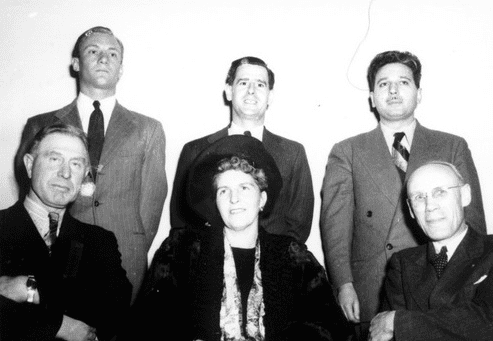
In 1921, Elmer ran as a Labour candidate in Alberta’s provincial elections, finishing 13th out of 26 candidates. The following year, he became secretary-treasurer of the Alberta Federation of Labour, a position he held for a decade.
In 1924, Roper ran for the Edmonton School Board and was elected as one of the top three candidates. However, he lost his seat in the 1927 re-election.
Despite setbacks, Roper continued his political journey. In 1926, he ran for Edmonton City Council as a Labour candidate. By 1928, he had become an honorary member of the Rotary Club.
In 1935, Roper ran as a candidate for the newly formed Co-operative Commonwealth Federation (CCF) in East Edmonton, finishing fourth out of six candidates. He later joined the CCF at the provincial level and ran as a candidate for alderman in 1940.
Leadership in CCF and Mayoral Tenure
In May 1942, following the death of Conservative leader David Duggan, Roper was nominated as the CCF candidate in a by-election. Using alternative voting, he secured victory. Roper led the CCF for 13 years, attending various party meetings but often refraining from taking strong stances. After the 1944 election, Aylmer Liesemer joined him in office. Both were re-elected in 1948, after which Roper stepped down as the CCF leader.
In 1959, Roper ran for mayor of Edmonton. The political landscape was favorable, as William Hawrelak had resigned amid scandal, and Frederick Mitchell returned to his position as alderman. Roper seized the opportunity and defeated three opponents to become mayor.
In 1961, he lost his mayoral seat to Ed Leger and decided not to seek re-election. In 1975, Roper retired and moved to Victoria, British Columbia.
Legacy
On November 12, 1994, Elmer Roper passed away. His wife died a few months later. They were survived by four children and several grandchildren. Roper’s contributions to Edmonton and Alberta remain significant, reflecting his dedication to public service and community development.