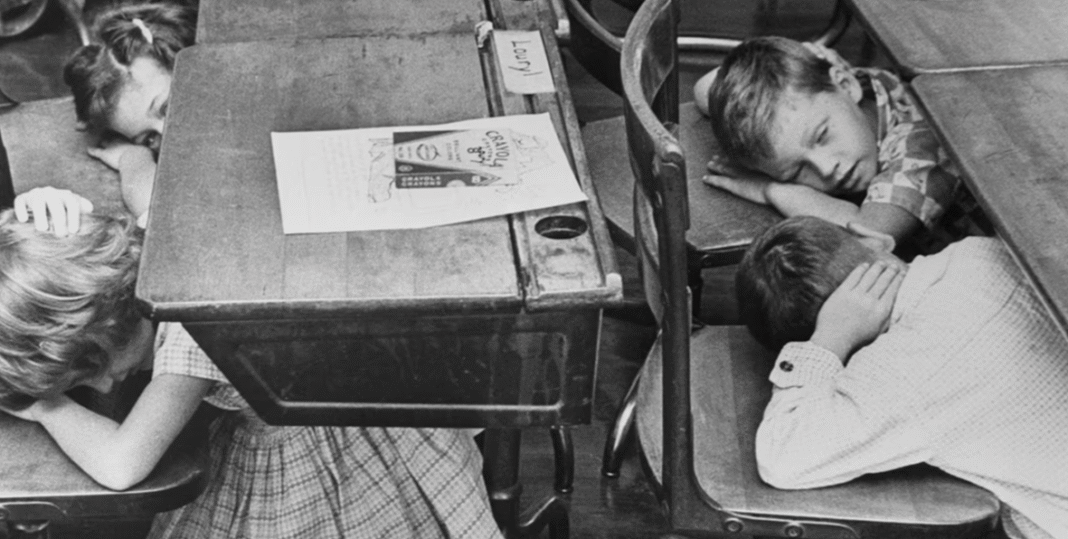

Today, the idea that cozy Edmonton could have been a target for a Soviet thermonuclear strike sounds like science fiction. Yet during the 1950s and 1960s, at the height of the Cold War, the nuclear threat was a stark and tangible reality. Alberta’s booming oil refining sector and Edmonton’s proximity to strategic Arctic flight routes turned the city into a prime potential target in the standoff between NATO and the Soviet Union.
The Cold War was a global threat where vital roles were played not only by Washington or Moscow, but by hundreds of cities far behind the front lines. Edmonton found itself in a unique position: far from European dividing lines, yet right on the doorstep of North America’s northern defense perimeter.
As a result, underground bunkers were constructed across Edmonton, fallout shelters were designed, mass public alert systems were installed, and school children were taught to duck under their desks. The history of that era clearly illustrates how the chill of the nuclear standoff reached into everyday urban life. To explore more fascinating chapters of the city’s past, visit edmonton-yes.com.
A Cold War That Could Have Ended Catastrophically Hot
Following World War II, former allies in the anti-Hitler coalition quickly found themselves on opposite sides of new geopolitical battle lines. The United States and the Soviet Union—representing rival ideological systems—entered a fierce struggle for global dominance, rapidly expanding their nuclear arsenals.
This confrontation became known as the Cold War because the superpowers never clashed in direct, full-scale military conflict. However, calling the era peaceful would be a mistake. Over several decades, the world teetered on the brink of total annihilation more than once.
In 1949, the Soviet Union successfully tested its first atomic bomb, breaking the American nuclear monopoly. That same year, NATO was established to counter Soviet expansion. A grueling arms race began: engineers designed intercontinental ballistic missiles and long-range strategic bombers, while military strategists on both sides calculated scenarios for a preemptive first strike.
The most dangerous moment came during the 1962 Cuban Missile Crisis. The deployment of Soviet ballistic missiles to Cuba brought humanity to the brink of thermonuclear disaster, where a single miscalculation by military commanders could have triggered the end of the world.
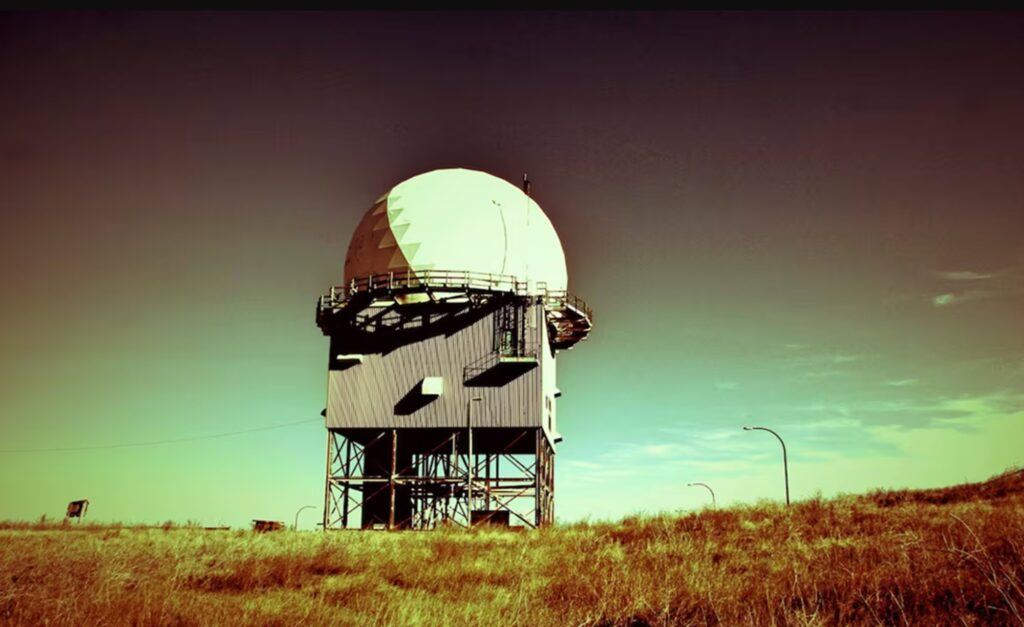
For Canada, this peril had a very specific geographic dimension. In the event of war, Soviet strategic bombers and early ballistic missiles would travel toward U.S. targets via the shortest route—across the North Pole and Canadian Arctic airspace. Consequently, Canadian territory instantly became the frontline for early warning and air defense.
This reality drove Ottawa and Washington into unprecedented military integration. In 1958, the two nations formed NORAD (the North American Air Defense Command) to detect airborne threats and coordinate continental defense. Edmonton, home to vital military airfields and RCAF Station Namao, instantly became an essential operational hub within this defense network. While the city did not make global policy, it had no choice but to brace for the worst.
Why Edmonton Caught the Military’s Attention
The primary reasons were rooted in geography. Located in central Alberta, Edmonton boasted an extensive rail and road network, served as the economic powerhouse of the province, and acted as the natural “Gateway to the North.”
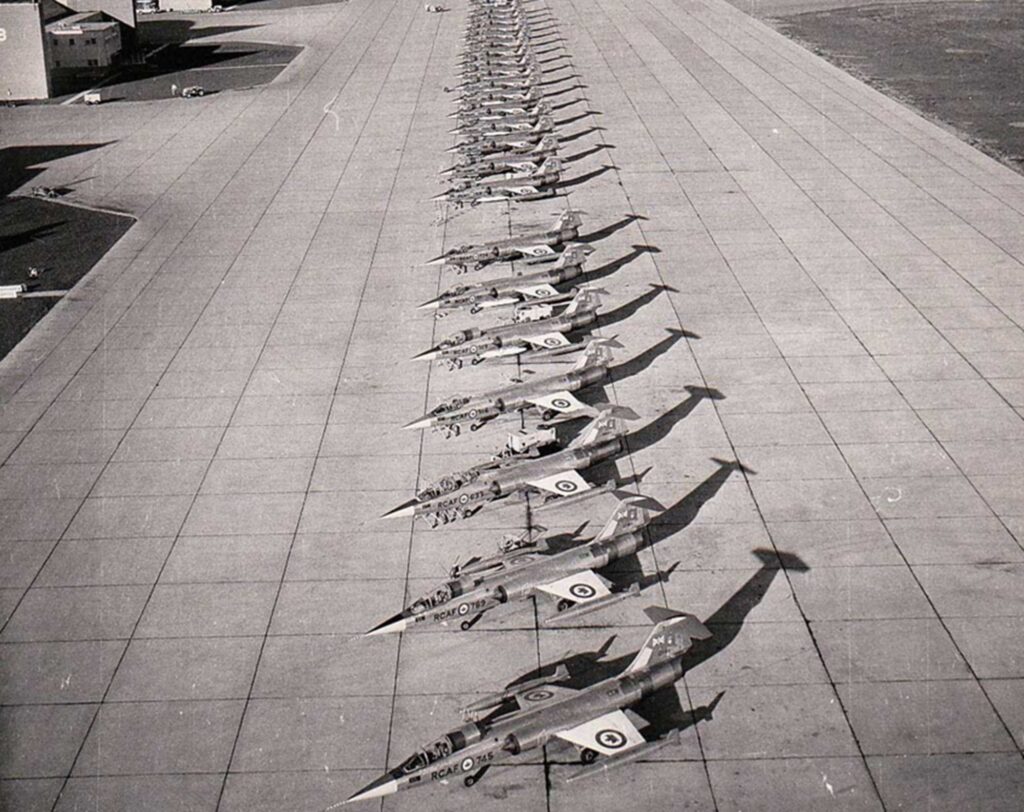
Furthermore, the city already had substantial military infrastructure built during World War II. The historic Blatchford Field could no longer expand due to surrounding urban growth, prompting military operations to relocate north to RCAF Station Namao. In 1955, main units from RCAF Station Edmonton moved to the new base, with 418 Squadron being the last to leave the old airfield in 1957.
Throughout the Cold War, Namao stood as the cornerstone of military presence in the Edmonton area. The base served more than just the Canadian Forces; its long runways and infrastructure were also utilized by the U.S. Strategic Air Command (SAC) to support heavy strategic bombers.
For Edmontonians, this meant a constant presence of troops, heavy machinery, and military aircraft. Various squadrons were stationed here, conducting regular exercises and continuous patrol flights across vast installations just north of the city.
Edmonton was also woven into the broader northern defense grid. The Royal Canadian Air Force carried out reconnaissance, supply missions, and logistical support across harsh Arctic environments. Canada’s air defense capabilities were expanding rapidly, driven by the escalating risk of nuclear war between the superpowers.
Edmonton’s role should be understood without exaggeration. The city was not the central command post of the Cold War and never made the call to launch missiles. Instead, it was an indispensable cog in a vast machine designed to buy North America a few precious extra minutes to react.
In the nuclear age, a few minutes was the ultimate luxury.
Namao, NORAD, and a City Bracing for Impact
Edmonton’s Cold War history had another, much less conspicuous side. While military aircraft were on constant standby north of the city, a comprehensive civil defense network was being assembled within Edmonton itself.
The logic was simple and sobering: if the military could not completely stop an incoming attack, municipal services had to do everything possible to mitigate the catastrophic aftermath.
Air raid sirens were erected across town, backup communication channels were established, evacuation routes were mapped out, and emergency headquarters were equipped to maintain municipal governance during a crisis. Throughout the 1960s, Edmonton’s siren warning system continued to expand.
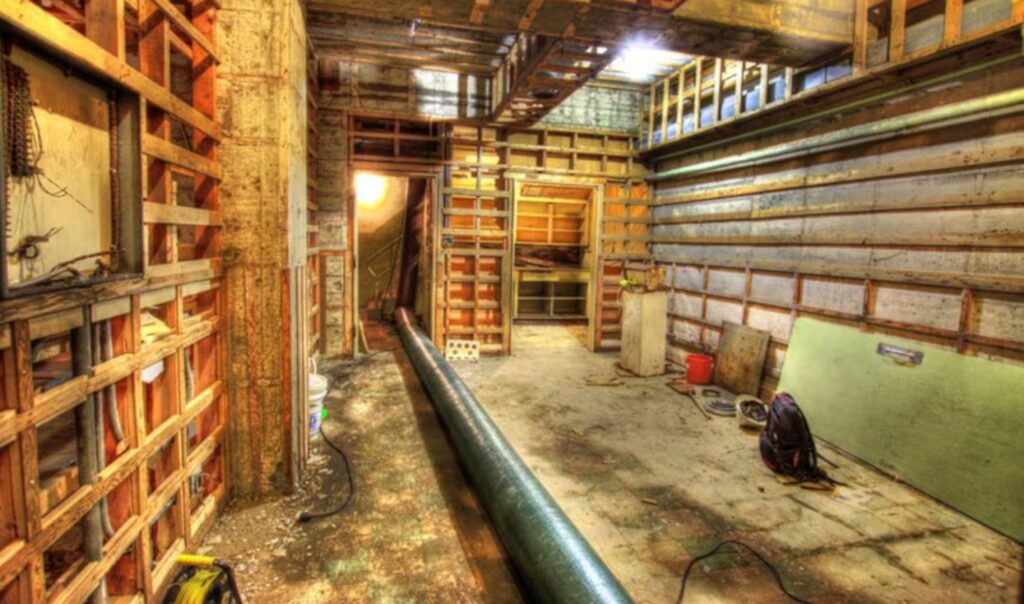
A central feature of these preparations was the underground civil defense emergency operations bunker in MacKenzie Ravine. It was specifically engineered to remain fully functional even if the city suffered a direct nuclear hit, allowing local authorities to operate safely while the surface remained contaminated by deadly radioactive fallout.
Declassified Canadian government records demonstrate just how seriously officials planned for worst-case nuclear scenarios. Archives related to Edmonton’s military sites contain detailed records of nuclear defense drills, NORAD operations, civilian protection strategies, emergency response protocols, and widespread readiness exercises.
The Edmonton That Survived the Cold War
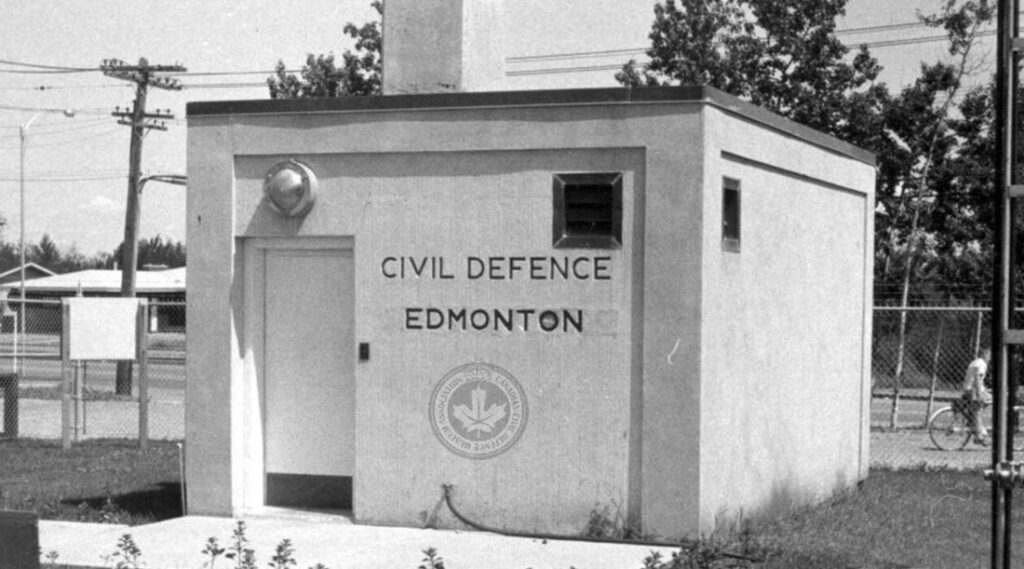
Edmonton was never the central protagonist of the Cold War—and it need not be romanticized as such. Monumental decisions were made in Washington, Ottawa, Moscow, and other global capitals. Yet countless cities around the world quietly performed vital duties that upheld the stability of the entire continental defense structure.
Edmonton was one of those key pillars. Its geography, transportation links, airfields, and proximity to polar routes made it an essential asset for North American security. CFB Namao operated at full tilt, the city remained connected to NORAD’s early warning network, and local authorities were continually prepared for the worst.
Fortunately, the worst-case scenario never materialized. The Cuban Missile Crisis was resolved through diplomacy, and the Cold War ultimately ended with major political transformations, the fall of the Berlin Wall, and the dissolution of the Soviet Union. Edmonton safely weathered decades of nuclear anxiety, leaving behind underground bunkers, historic military infrastructure, and a powerful reminder of how global superpower tensions once reshaped life in an ordinary Canadian city.